

Microblading Recovery Timeline: Healing Stages and Aftercare Explained
There’s a moment, usually about three days after microblading, when someone leans toward the mirror, squints, and thinks, “Well… this is not what I signed up for.” Brows look darker than expected, the skin feels tight, and that effortless natural look seems temporarily misplaced. Almost everyone has this moment. And it turns out, it’s part of the plan.
Microblading is a form of eyebrow enhancement, but it’s also a controlled skin procedure. Understanding how the skin heals—step by step—can change anxiety into patience, and patience into genuinely beautiful results that suit your face shape, skin tone, and natural brow hairs.
Understanding Microblading as a Skin Procedure
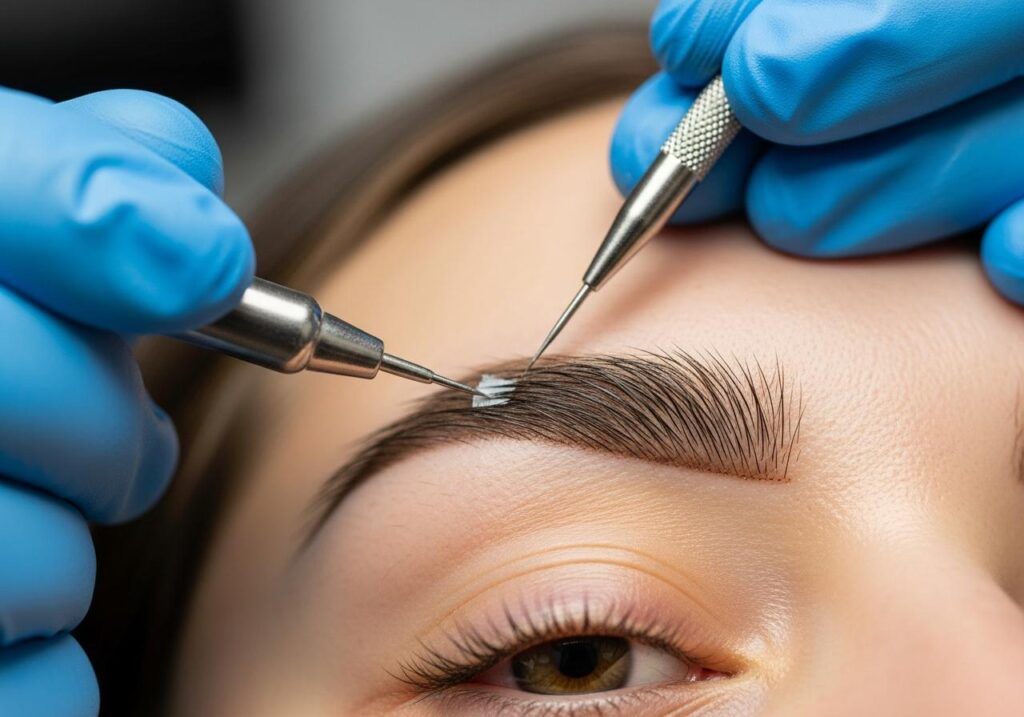
Microblading places pigment into the upper layers of the skin using fine, hair like strokes that mimic natural eyebrow hair. It sits closer to the surface than traditional tattooing, which is why it fades more softly and keeps a natural appearance. It’s also why healing matters so much.
This isn’t daily makeup like a brow pencil, brow gel, or powder brow brushed on and washed off. The skin has been gently disrupted, and it needs time to repair itself. Your skin type—whether oily skin, dry, or somewhere in between—affects how quickly that repair happens and how pigment settles.
People with oily skin often notice faster fading, while drier skin may hold pigment more readily. Neither is “better,” just different. Realistic expectations help: the perfect brow doesn’t appear overnight, even when the brow shape was mapped beautifully from the start.
Aftercare Essentials That Support Better Healing
Good aftercare respects the skin barrier. Gentle cleansing, light hydration, and a thin occlusive ointment when recommended help prevent excessive moisture loss without suffocating the skin.
Sun exposure can affect pigment quality, so hats and shade help, especially for lighter skin tones. Makeup should stay off the brow area until healing stabilizes, even if the rest of your makeup routine includes brow gel, cream blush, or plumping lip balm.
Lifestyle habits matter more than people think. Adequate sleep, hydration, and managing stress all influence how skin repairs itself, whether you’re healing brows, lip blush, or any brow treatment.
Touch-Ups and Long-Term Results
Touch-ups are standard, not a sign of failure. Healed skin responds differently than freshly treated skin, allowing the artist to refine brow styles, reinforce strokes, or adjust a powder brow effect.
Once healed, results can last from 12 to 24 months, depending on skin type, sun exposure, and skincare habits. Oily skin may need refreshers sooner, while drier skin often holds pigment longer.
Maintenance keeps brows looking intentional rather than faded. Think of it as upkeep, like trimming hair or refreshing brow tinting to maintain a natural look.
Common Healing Myths and What Truly Matters
The idea of perfect brows in one week sets people up for disappointment. Healing is not linear, and pain level doesn’t predict outcome. Quiet, consistent aftercare usually outweighs expensive products.
Scabbing doesn’t mean pigment loss, and lighter brows at week three don’t signal failure. What matters most is skin health, patience, and working with an experienced artist who understands face shape—whether an oval face or something more angular.
Microblading supports natural beauty when it’s given time to settle. The goal isn’t dramatic transformation, but a brow transformation that feels like you—just with better balance, fuller structure, and a shape that works with your brow bone and natural hair.
And one day, usually around week six, you’ll catch your reflection without thinking about healing stages at all. You’ll just see eyebrows that make sense on your face. That’s when you know the process did exactly what it was meant to do.
Microblading Recovery Timeline: Healing Stages and Aftercare Explained
There’s a moment, usually about three days after microblading, when someone leans toward the mirror, squints, and thinks, “Well… this is not what I signed up for.” Brows look darker than expected, the skin feels tight, and that effortless natural look seems temporarily misplaced. Almost everyone has this moment. And it turns out, it’s part of the plan.
Microblading is a form of eyebrow enhancement, but it’s also a controlled skin procedure. Understanding how the skin heals—step by step—can change anxiety into patience, and patience into genuinely beautiful results that suit your face shape, skin tone, and natural brow hairs.
Understanding Microblading as a Skin Procedure
Microblading places pigment into the upper layers of the skin using fine, hair like strokes that mimic natural eyebrow hair. It sits closer to the surface than traditional tattooing, which is why it fades more softly and keeps a natural appearance. It’s also why healing matters so much.
This isn’t daily makeup like a brow pencil, brow gel, or powder brow brushed on and washed off. The skin has been gently disrupted, and it needs time to repair itself. Your skin type—whether oily skin, dry, or somewhere in between—affects how quickly that repair happens and how pigment settles.
People with oily skin often notice faster fading, while drier skin may hold pigment more readily. Neither is “better,” just different. Realistic expectations help: the perfect brow doesn’t appear overnight, even when the brow shape was mapped beautifully from the start.
The First 24–48 Hours: Immediate Skin Response
Right after the appointment, brows usually look bold, sharp, and darker than planned. This surprises people hoping for natural brows straight away. Mild redness, tenderness, and swelling are common as the skin reacts.
Lymph fluid—a clear, watery substance—can rise to the surface and mix with pigment. This creates a shiny look that fades as the skin calms. Sensations range from warmth to tightness, similar to a light sunburn around the brow bone.
During this window, gentle care matters. Avoid sweating, heavy makeup, brow lamination, eyebrow lamination, brow tinting, lip blush treatments, and anything that introduces excess moisture. A clean face and patience are doing more work than any product here.
Days 3–7: Scabbing, Flaking, and Surface Healing
This is the stage most people love to hate. Tiny scabs or flakes form as the skin renews itself. Itching often follows, which is a sign of healing, even if it feels inconvenient.
Picking disrupts pigment retention and can create uneven spots, especially for sparse brows hoping for a fuller brow effect. Let flakes fall away naturally. Think of it like a healing scrape on your knee—interference slows things down.
Color often looks patchy during this phase. Some strokes appear to vanish; others stay dark. Cleansing should be light and careful, avoiding makeup sponges, cream blush near the brows, or any makeup look that rubs the area.
Weeks 2–4: The “Disappearing Ink” Phase
Just when you think something went wrong, brows often appear too light or uneven. This is the disappearing ink phase, and it causes more late-night mirror checks than anyone admits.
The new skin layer temporarily obscures pigment, especially in areas with thicker skin or more natural hair. This isn’t true pigment loss in most cases. It’s more like looking through frosted glass.
Brows that once looked bold now appear soft, even faint. It helps to remember why microblading exists—to create natural brow shape, not permanent marker brows. With time, clarity returns.
Weeks 4–6: Stabilization and True Color Reveal
By this point, the skin barrier is largely restored. Texture smooths out, redness fades, and pigment settles into its true shade. Undertones become more accurate, especially important for matching hair color and skin tone.
Hair like strokes reappear with softness, blending into natural eyebrow hair and creating feathered brows that suit your facial features. This is when brows begin to look like themselves again—just more balanced.
It’s also the moment to think about your touch-up appointment. Small adjustments to brow shape, density, or symmetry are common, whether you prefer ombré brows, an ombre brow effect, or a very minimalist makeup aesthetic.
Aftercare Essentials That Support Better Healing
Good aftercare respects the skin barrier. Gentle cleansing, light hydration, and a thin occlusive ointment when recommended help prevent excessive moisture loss without suffocating the skin.
Sun exposure can affect pigment quality, so hats and shade help, especially for lighter skin tones. Makeup should stay off the brow area until healing stabilizes, even if the rest of your makeup routine includes brow gel, cream blush, or plumping lip balm.
Lifestyle habits matter more than people think. Adequate sleep, hydration, and managing stress all influence how skin repairs itself, whether you’re healing brows, lip blush, or any brow treatment.
Touch-Ups and Long-Term Results
Touch-ups are standard, not a sign of failure. Healed skin responds differently than freshly treated skin, allowing the artist to refine brow styles, reinforce strokes, or adjust a powder brow effect.
Once healed, results can last from 12 to 24 months, depending on skin type, sun exposure, and skincare habits. Oily skin may need refreshers sooner, while drier skin often holds pigment longer.
Maintenance keeps brows looking intentional rather than faded. Think of it as upkeep, like trimming hair or refreshing brow tinting to maintain a natural look.
Common Healing Myths and What Truly Matters
The idea of perfect brows in one week sets people up for disappointment. Healing is not linear, and pain level doesn’t predict outcome. Quiet, consistent aftercare usually outweighs expensive products.
Scabbing doesn’t mean pigment loss, and lighter brows at week three don’t signal failure. What matters most is skin health, patience, and working with an experienced artist who understands face shape—whether an oval face or something more angular.
Microblading supports natural beauty when it’s given time to settle. The goal isn’t dramatic transformation, but a brow transformation that feels like you—just with better balance, fuller structure, and a shape that works with your brow bone and natural hair.
And one day, usually around week six, you’ll catch your reflection without thinking about healing stages at all. You’ll just see eyebrows that make sense on your face. That’s when you know the process did exactly what it was meant to do.