


Recupero della Pelle Dopo l’Estate: Riparare i Danni di Sole, Calore e Disidratazione
C’è un piccolo momento che molte persone notano all’inizio dell’autunno. L’aria si rinfresca, i sandali tornano nell’armadio e, all’improvviso, lo specchio sembra un po’ meno indulgente. La pelle che a luglio appariva normale ora sembra spenta, irregolare, forse leggermente tesa o più reattiva. Non è solo una sensazione. Il recupero della pelle dopo l’estate è una fase reale, e riparare i danni causati da sole, calore e disidratazione richiede comprensione, non panico.
Durante l’estate la pelle è stata molto sollecitata. Esposizione al sole, alte temperature, sudore, creme solari e lunghe giornate all’aperto lasciano segni silenziosi. La parte interessante è che molti segnali di danni solari, disidratazione e cambiamenti nella texture non compaiono subito, ma emergono settimane dopo, quando l’energia e il ritmo frenetico dell’estate si attenuano.
What Summer Really Does to the Skin
UV exposure affects skin cells in layers, not just on the surface. Over time, sun exposure nudges pigmentation to cluster unevenly, weakens collagen, and reduces overall resilience. That’s why post summer skin often shows uneven skin tone, stubborn pigmentation, and softer firmness.
Heat plays its own role. It increases oil production, stretches pores, and can make summer skin look shiny while still dehydrated underneath. Dehydration versus dryness matters here. Dehydrated skin lacks water; dry skin lacks oil. Summer damage often delivers both at once.
Then there’s cumulative exposure. Sun damaged skin doesn’t always announce itself immediately. Weeks later, damaged skin may feel sensitive, look dull, or show changes in skin texture and tone that weren’t obvious in August.
Resetting the Skin Barrier After Heat and Sun Stress
The skin barrier is your quiet hero. It keeps moisture in, irritants out, and helps skin recover from daily exposure. Summer weakens this barrier through UV exposure, saltwater, chlorine, and frequent cleansing.
Signs of a compromised skin barrier include tightness, stinging, uneven texture, and makeup that suddenly refuses to behave. Ceramides, cholesterol, and fatty acids help repair the barrier by mimicking what healthy skin already contains.
Barrier repair improves comfort and makeup performance at the same time. When the barrier is stable, foundation sits better, skin feels calmer, and sensitive skin reacts less. Over-cleansing, even with good intentions, can slow post summer recovery.
Cleansing After Summer: Less About Stripping, More About Balance
Post summer skincare starts at the sink. Sweat, sunscreen, pollution, and oil buildup all affect pores, but harsh cleansing isn’t the solution. Gentle cleansing supports skin health without disrupting moisture levels.
Double cleansing can help when heavy sunscreen or long-wear makeup is involved. On low-exposure days, one balanced cleanse is often enough. The goal is clean skin, not squeaky skin.
Cleansing habits directly affect makeup longevity. When the skin barrier is respected, products adhere evenly, and texture looks smoother rather than patchy.
Rehydrating Skin That’s Been Depleted, Not Just Dry
Sun and heat reduce the skin’s natural water-holding ability. Dehydrated skin loses bounce, shows fine lines more easily, and reflects light poorly, which affects radiant skin.
Humectants like glycerin and hyaluronic acid draw water into skin cells. Occlusives help seal it in. Right now, skin needs both, layered thoughtfully. A hydrating serum followed by a lightweight moisturizer often works better than one heavy product.
Deep hydration changes how foundation behaves. Well-hydrated skin smooths texture, reduces creasing, and supports a natural finish rather than a mask-like look.
Addressing Sun-Related Changes Without Overcorrecting
Post summer skin repair often focuses on pigmentation and uneven skin tone. Sun exposure triggers melanin as a protective response, not a flaw. Overcorrecting with aggressive skin treatments can backfire on stressed skin.
Gentle brightening ingredients, including vitamin C, help support skin renewal while calming inflammation. Inflammation plays a quiet role in lingering discoloration, so calming the skin helps tone even out gradually.
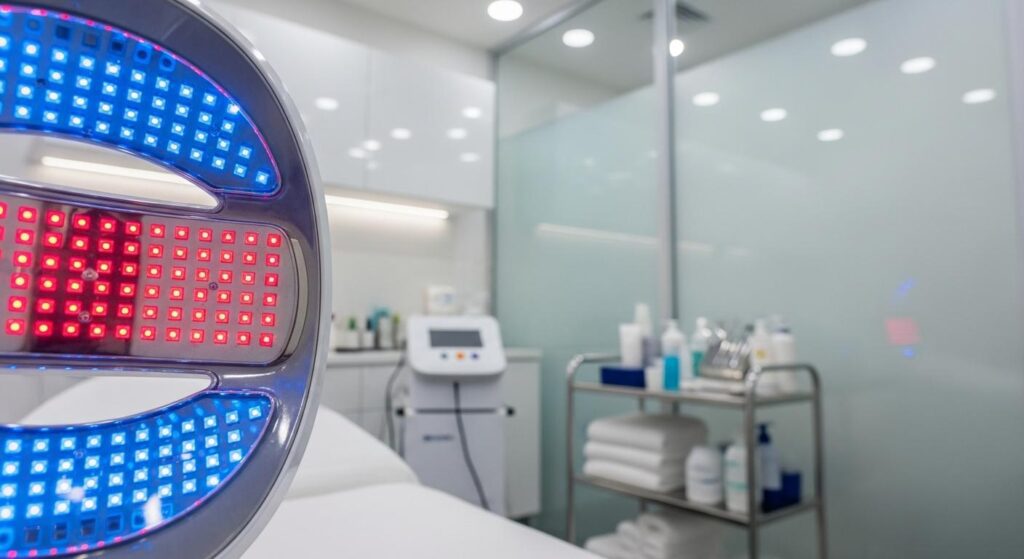
Patience matters. Most skin repair unfolds over weeks, not days. Laser treatments and intensive treatment options have their place, though many people benefit from rebuilding skin health first.
Makeup After Summer: Supporting Skin, Not Covering It
Heavy formulas often feel uncomfortable on post summer skin. Dehydrated skin pushes makeup around, while damaged skin grabs pigment unevenly. Skin-focused makeup with flexible textures tends to work better during recovery.
Hydration affects foundation wear more than shade or finish. When skin is well-prepped, makeup enhances rather than masks. Think of makeup as a partner in recovery, not camouflage.
Good skincare prep creates radiant skin that looks natural even with less product. That’s especially helpful for sensitive skin adjusting after summer damage.
Consistency Over Correction: Building a Post-Summer Routine
A skin reset doesn’t come from dramatic changes. Consistency matters more than seasonal fixes. Small daily habits influence long-term skin quality and healthy skin more than occasional intensity.
Post summer recovery is a phase. Introducing actives slowly, pausing when skin signals stress, and respecting your skin type all matter. Trends come and go; your skin cells keep quiet score.
When skin repair is steady, makeup results improve naturally. Texture softens, moisture holds, and skin tone looks clearer without chasing perfection.
Common Post-Summer Myths That Slow Skin Recovery
“Tanned skin is healthy skin” is misleading. A tan is a sign of sun damage, not strength, and repeated UV exposure increases skin cancer risk over time.
More exfoliation doesn’t speed skin renewal. Gentle exfoliation helps remove dead skin cells, though overdoing it worsens dehydration and sensitivity. Oiliness is not the same as hydration, and confusing the two delays recovery.
Makeup doesn’t automatically cause breakouts. Prep mistakes, barrier damage, and dehydration usually play a larger role. Post summer skin recovery is gradual, layered, and deeply human, much like skin itself.
With thoughtful skincare, balanced hydration, and realistic expectations, summer damage softens. Skin health rebuilds. Radiant skin returns, often quieter, calmer, and stronger than before.