


Reversing Sun Damage: Anti-Aging Treatments That Restore Youthful Skin
Dermatologists often joke that the skin has a long memory. The sunburn you shrugged off at nineteen, the summer sun damage you collected on beach days, the years of casual sun exposure without sunscreen your skin remembers all of it. Sometimes it waits decades to show you the receipt. Why does sun damaged skin seem so patient, and then so persistent?
Reversing sun damage is less about erasing the past and more about supporting skin health in the present. When we talk about anti-aging treatments that restore youthful skin, we’re really talking about helping skin cells function better, look calmer, and behave more like they did before UV rays left their mark.
Understanding Sun Damage and Why It Ages the Skin
Sun damage begins quietly. UV rays penetrate the skin and interfere with how skin cells repair themselves. In the short term, this looks like redness or tanning. Over time, the changes settle deeper, altering collagen, elastin, and even DNA.
That’s why premature aging can show up years after the sun exposure that caused it. Fine lines, wrinkles, uneven skin tone, age spots, and sagging skin are delayed reactions. Beneath the surface, chronic inflammation and collagen breakdown shift how aging skin behaves.
This process also explains why sun damage treatment is about more than surface correction. The visible signs sun spots, uneven pigmentation, rough skin texture are clues to deeper skin damage that needs patience and consistency.
The Skin Barrier: First Line of Defense Against Aging
The skin barrier acts like a brick wall built of skin cells and lipids. When it’s strong, moisture stays in and irritants stay out. When it’s compromised, damaged skin looks older faster.
Dehydration exaggerates wrinkles and makes uneven skin tone more noticeable. A weakened barrier struggles to recover from professional treatments, laser therapy, or even mild exfoliation. In most cases, barrier repair is where real improvement begins.
Ingredients like ceramides, fatty acids, glycerin, and cholesterol help reinforce barrier strength. Daily habits matter too. Over-cleansing, skipping sunscreen, or layering too many aggressive actives can quietly undo progress.
Skincare Ingredients That Help Reverse Visible Sun Damage
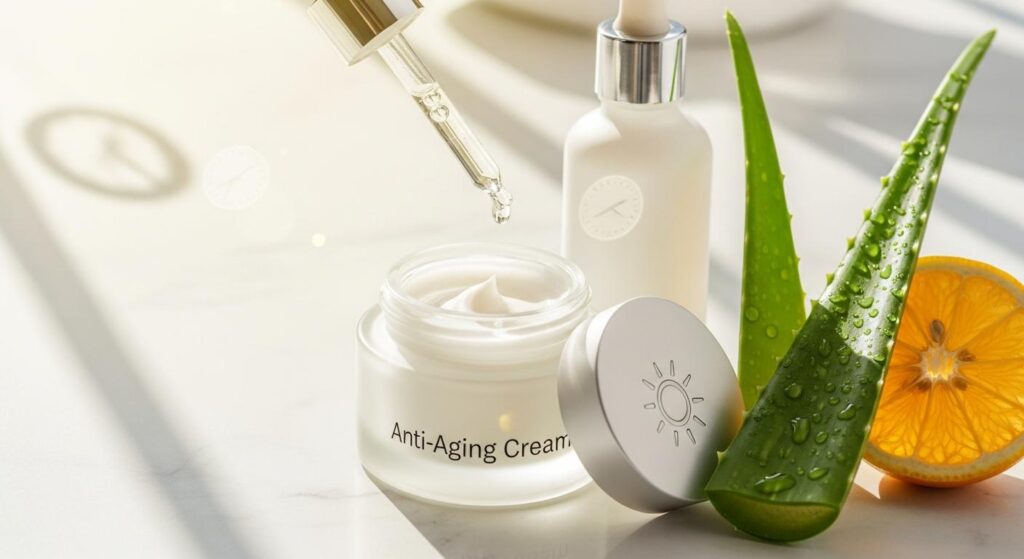
Effective skin care for sun damaged skin relies on ingredients that encourage renewal without overwhelming the skin type you have. Vitamin A derivatives support skin aging concerns by guiding healthier turnover of dead skin cells.
Antioxidants such as vitamin C, vitamin E, and niacinamide help reduce the appearance of photoaging by calming oxidative stress. Brightening agents address uneven pigmentation and sun spots by interrupting excess melanin activity.
Hydration deserves equal billing. Hyaluronic acid, panthenol, and amino acids restore comfort and skin elasticity, giving aging skin a softer, more radiant skin appearance. Formulation balance matters; the best treatment is often the one your skin tolerates consistently.
Professional Treatments That Support Skin Renewal
Professional treatments can accelerate skin rejuvenation when used thoughtfully. Chemical exfoliation smooths skin texture and helps fade uneven skin tone by encouraging controlled shedding of damaged skin cells.
Light therapy and laser treatments target discoloration, acne scars, and age spots with precision. Laser treatment works by stimulating repair beneath the surface, while leaving surrounding tissue relatively intact. Laser hair removal sometimes surprises patients by improving overall skin texture in treated areas.
Microneedling prompts a collagen response that supports firmer, healthier-looking skin. Professional guidance matters, especially for sun damaged skin, where overly aggressive treatment can backfire. At-home care supports in-clinic results and protects the investment you’ve made.
Makeup That Works With Aging, Sun-Affected Skin
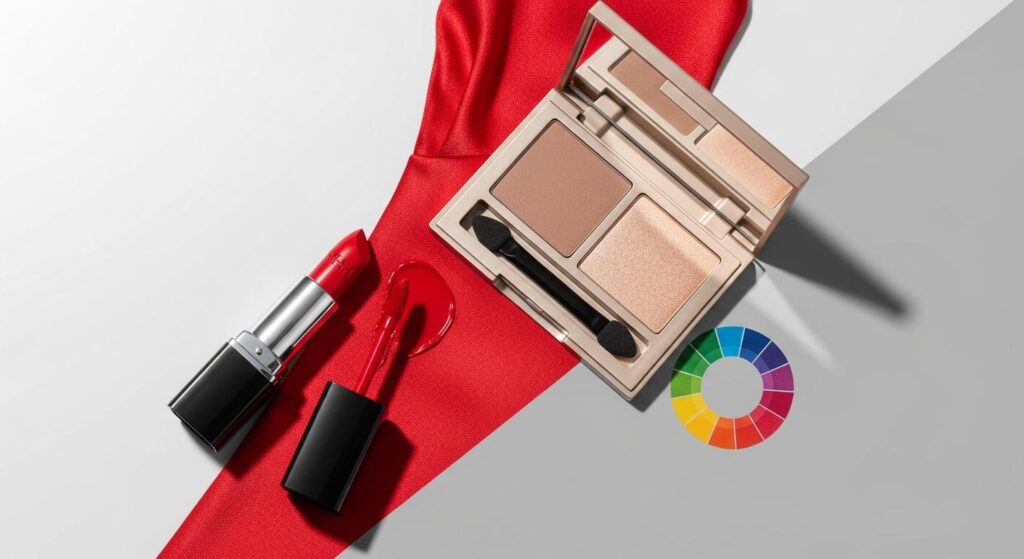
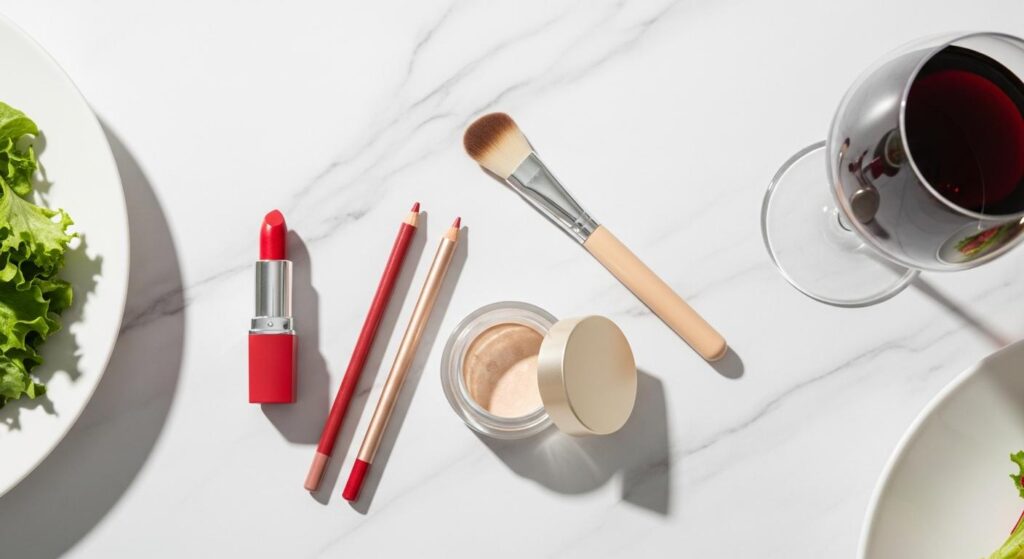
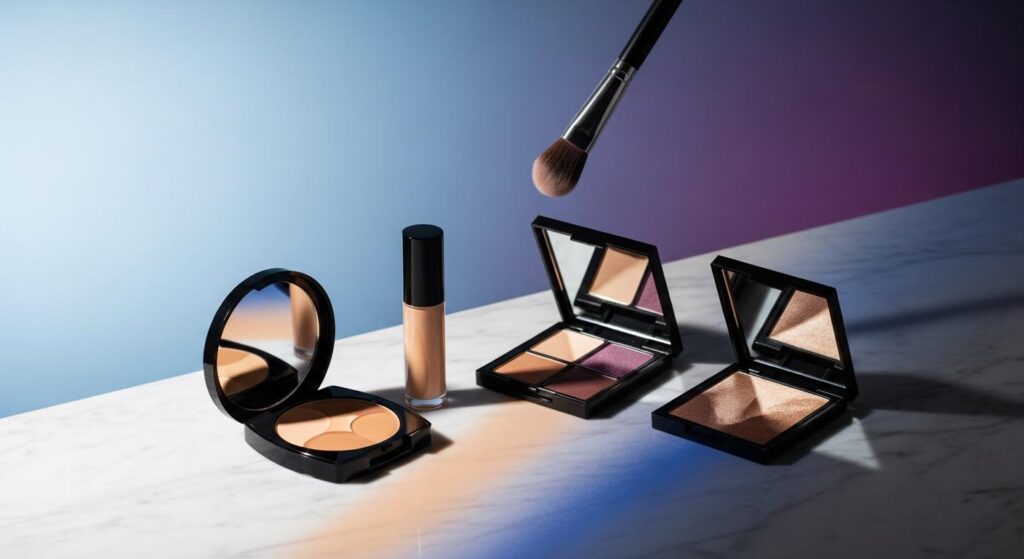
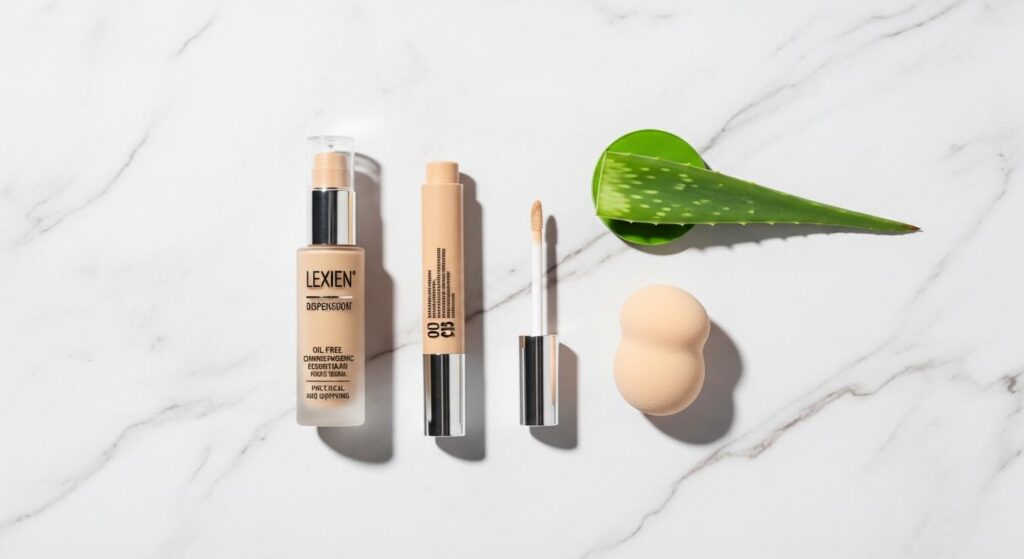
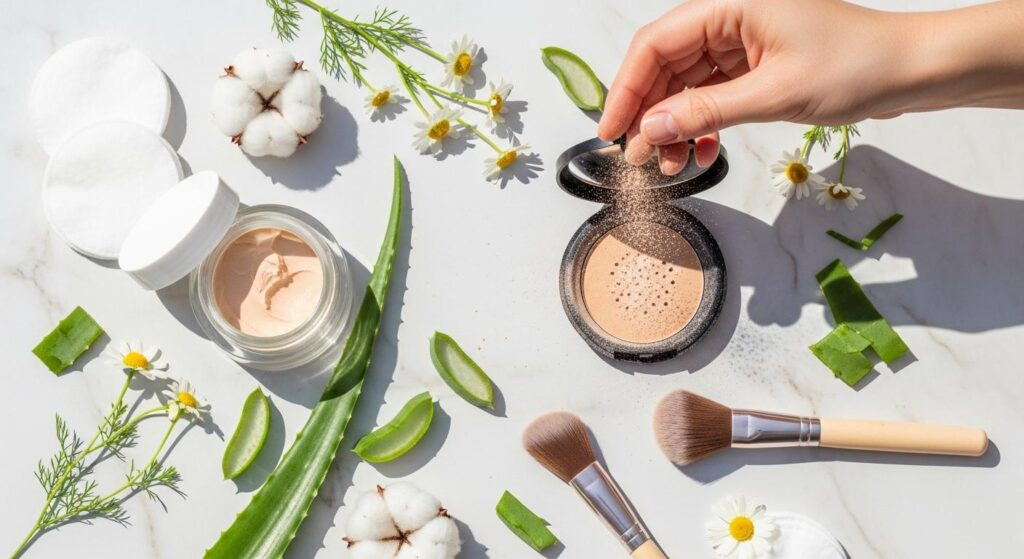
Modern makeup quietly acknowledges skin aging. Base products now focus on flexibility, hydration, and comfort rather than heavy coverage that settles into wrinkles.
Ingredients borrowed from skin care humectants, soothing agents, antioxidants help makeup wear better on damaged skin. Finishes that reflect light softly tend to blur uneven skin tone instead of spotlighting it.
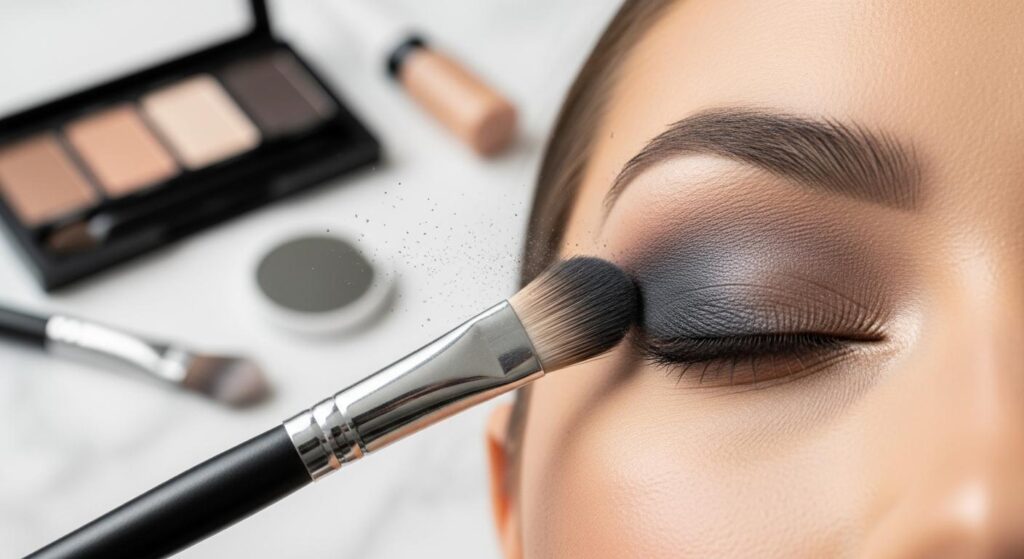
Skin prep changes everything. Well-moisturized skin allows foundation to sit smoothly, even on sun damaged skin. The overlap between cosmetic and skincare benefits continues to grow, and that’s good news for healthy skin.
Daily Sun Protection as an Anti-Aging Treatment
Sun protection remains the most reliable anti-aging treatment available. Sunscreen isn’t only about preventing skin cancer; it slows premature skin aging and protects skin cells from ongoing UV rays.
Broad-spectrum sunscreen shields against both UVA and UVB rays. Reapplication fits into real routines more easily than people expect, especially with tinted sunscreens and protective makeup that double as skin tone enhancers.
Common mistakes applying too little, skipping cloudy days, forgetting the neck and hands reduce effectiveness. Sun protection works best when it becomes automatic, like brushing your teeth.
Consistency Over Correction: Long-Term Skin Improvement
Steady routines outperform dramatic fixes. Skin renewal follows a biological timeline, often measured in weeks and months rather than days.
Gentle daily care builds resilience. Alternating active treatments with recovery days helps preserve skin health and avoid inflammation. Signs your skin is responding well include improved skin texture, fewer reactive episodes, and a more even glow.
This applies across concerns, whether you’re managing acne treatment, acne scars, or signs of aging. Consistency creates conditions for youthful skin to reappear gradually.
Rethinking Expectations Around Sun Damage and Aging
Complete reversal of sun damage isn’t realistic. Skin biology sets limits, and no laser therapy, cosmetic surgery, or professional treatment can turn back time entirely.
Healthy, youthful-looking skin often looks calm, hydrated, and balanced rather than flawless. Comfort influences appearance more than people expect. Skin that feels good tends to look better.
Marketing promises can distract from what actually supports skin health. Making choices based on your skin type and needs, rather than trends, leads to better long-term outcomes.
Reversing sun damage is really about restoring function and confidence. With thoughtful skin care, professional treatments when appropriate, and daily sun protection, radiant skin becomes less about chasing youth and more about supporting the skin you’re in now, and for years to come.
Reversing Sun Damage: Anti-Aging Treatments That Restore Youthful Skin
Dermatologists often joke that the skin has a long memory. The sunburn you shrugged off at nineteen, the summer sun damage you collected on beach days, the years of casual sun exposure without sunscreen your skin remembers all of it. Sometimes it waits decades to show you the receipt. Why does sun damaged skin seem so patient, and then so persistent?
Reversing sun damage is less about erasing the past and more about supporting skin health in the present. When we talk about anti-aging treatments that restore youthful skin, we’re really talking about helping skin cells function better, look calmer, and behave more like they did before UV rays left their mark.
Understanding Sun Damage and Why It Ages the Skin
Sun damage begins quietly. UV rays penetrate the skin and interfere with how skin cells repair themselves. In the short term, this looks like redness or tanning. Over time, the changes settle deeper, altering collagen, elastin, and even DNA.
That’s why premature aging can show up years after the sun exposure that caused it. Fine lines, wrinkles, uneven skin tone, age spots, and sagging skin are delayed reactions. Beneath the surface, chronic inflammation and collagen breakdown shift how aging skin behaves.
This process also explains why sun damage treatment is about more than surface correction. The visible signs sun spots, uneven pigmentation, rough skin texture are clues to deeper skin damage that needs patience and consistency.
The Skin Barrier: First Line of Defense Against Aging
The skin barrier acts like a brick wall built of skin cells and lipids. When it’s strong, moisture stays in and irritants stay out. When it’s compromised, damaged skin looks older faster.
Dehydration exaggerates wrinkles and makes uneven skin tone more noticeable. A weakened barrier struggles to recover from professional treatments, laser therapy, or even mild exfoliation. In most cases, barrier repair is where real improvement begins.
Ingredients like ceramides, fatty acids, glycerin, and cholesterol help reinforce barrier strength. Daily habits matter too. Over-cleansing, skipping sunscreen, or layering too many aggressive actives can quietly undo progress.
Skincare Ingredients That Help Reverse Visible Sun Damage
Effective skin care for sun damaged skin relies on ingredients that encourage renewal without overwhelming the skin type you have. Vitamin A derivatives support skin aging concerns by guiding healthier turnover of dead skin cells.
Antioxidants such as vitamin C, vitamin E, and niacinamide help reduce the appearance of photoaging by calming oxidative stress. Brightening agents address uneven pigmentation and sun spots by interrupting excess melanin activity.
Hydration deserves equal billing. Hyaluronic acid, panthenol, and amino acids restore comfort and skin elasticity, giving aging skin a softer, more radiant skin appearance. Formulation balance matters; the best treatment is often the one your skin tolerates consistently.
Professional Treatments That Support Skin Renewal
Professional treatments can accelerate skin rejuvenation when used thoughtfully. Chemical exfoliation smooths skin texture and helps fade uneven skin tone by encouraging controlled shedding of damaged skin cells.
Light therapy and laser treatments target discoloration, acne scars, and age spots with precision. Laser treatment works by stimulating repair beneath the surface, while leaving surrounding tissue relatively intact. Laser hair removal sometimes surprises patients by improving overall skin texture in treated areas.
Microneedling prompts a collagen response that supports firmer, healthier-looking skin. Professional guidance matters, especially for sun damaged skin, where overly aggressive treatment can backfire. At-home care supports in-clinic results and protects the investment you’ve made.
Makeup That Works With Aging, Sun-Affected Skin
Modern makeup quietly acknowledges skin aging. Base products now focus on flexibility, hydration, and comfort rather than heavy coverage that settles into wrinkles.
Ingredients borrowed from skin care humectants, soothing agents, antioxidants help makeup wear better on damaged skin. Finishes that reflect light softly tend to blur uneven skin tone instead of spotlighting it.
Skin prep changes everything. Well-moisturized skin allows foundation to sit smoothly, even on sun damaged skin. The overlap between cosmetic and skincare benefits continues to grow, and that’s good news for healthy skin.
Daily Sun Protection as an Anti-Aging Treatment
Sun protection remains the most reliable anti-aging treatment available. Sunscreen isn’t only about preventing skin cancer; it slows premature skin aging and protects skin cells from ongoing UV rays.
Broad-spectrum sunscreen shields against both UVA and UVB rays. Reapplication fits into real routines more easily than people expect, especially with tinted sunscreens and protective makeup that double as skin tone enhancers.
Common mistakes applying too little, skipping cloudy days, forgetting the neck and hands reduce effectiveness. Sun protection works best when it becomes automatic, like brushing your teeth.
Consistency Over Correction: Long-Term Skin Improvement
Steady routines outperform dramatic fixes. Skin renewal follows a biological timeline, often measured in weeks and months rather than days.
Gentle daily care builds resilience. Alternating active treatments with recovery days helps preserve skin health and avoid inflammation. Signs your skin is responding well include improved skin texture, fewer reactive episodes, and a more even glow.
This applies across concerns, whether you’re managing acne treatment, acne scars, or signs of aging. Consistency creates conditions for youthful skin to reappear gradually.
Rethinking Expectations Around Sun Damage and Aging
Complete reversal of sun damage isn’t realistic. Skin biology sets limits, and no laser therapy, cosmetic surgery, or professional treatment can turn back time entirely.
Healthy, youthful-looking skin often looks calm, hydrated, and balanced rather than flawless. Comfort influences appearance more than people expect. Skin that feels good tends to look better.
Marketing promises can distract from what actually supports skin health. Making choices based on your skin type and needs, rather than trends, leads to better long-term outcomes.
Reversing sun damage is really about restoring function and confidence. With thoughtful skin care, professional treatments when appropriate, and daily sun protection, radiant skin becomes less about chasing youth and more about supporting the skin you’re in now, and for years to come.