


Event Makeup for Sensitive Skin: How to Avoid Irritation and Breakouts
A professional makeup artist once told me that the most nervous clients aren’t the ones worried about their skin tone or dark spots. They’re the ones who lean in and whisper, “My skin freaks out… please be gentle.” Sensitive skin has a memory. It remembers every allergic reaction, every breakout after heavy makeup, every time a well-meaning concealer turned into pimples by morning.
Event makeup for sensitive skin asks for a different mindset. Not more coverage, not trendier eye makeup, not another miracle treatment. It’s about listening to skin health, respecting skin sensitivity, and choosing calm over control, especially when long wear, bright lights, and stress all collide.
Understanding Sensitive Skin in Event Settings
In dermatological terms, sensitive skin is skin that reacts more easily to stimuli that most skin types tolerate. That reaction might look like redness, stinging, flushing, breakouts, perioral dermatitis, or sensitive eyes watering halfway through the night.
Events amplify those reactions. Heat from crowded rooms, sweat, friction, sun protection layered under makeup, and the pressure of makeup application all tax the skin barrier. Add stress hormones and suddenly reactive skin behaves like it’s under attack.
Common triggers show up quietly. A new skincare product used “just this once,” synthetic fragrance in a makeup product, essential oils hiding in primer, or layering too many textures meant for different skin conditions. Acne prone skin and oily skin often clog faster; dry skin tends to sting and flake; both can break out.
Sensitivity also shifts day to day. One week your skin handles mineral makeup beautifully, the next week even hypoallergenic makeup feels itchy. Early warning signs include warmth, tightness, patchy redness, or makeup separating oddly over dead skin cells.
Skincare Preparation: The Quiet Hero Behind Calm Makeup
Good event makeup starts hours, sometimes days, before the makeup brush ever touches skin. Gentle cleansing matters more than aggressive exfoliation. Clean skin that isn’t stripped tolerates makeup application far better.
Hydration plays a bigger role than most people expect. Well-hydrated skin bends instead of cracking, which helps foundation sit smoothly without irritation. Barrier-supporting ingredients like ceramides, glycerin, and panthenol help skin stay resilient under long wear.
Exfoliation timing matters. For sensitive skin types, exfoliating the night before an event often causes micro-irritation that shows up as redness under makeup. If exfoliation is part of your skin care routine, keep it mild and well in advance.
Consistency calms skin. Swapping treatments at the last minute, even acne treatment, increases the risk of acne cosmetica or flare-ups. In many cases, less prep creates healthier skin and better comfort.
Choosing Makeup Formulas That Respect Sensitive Skin
Formula composition matters more than brand names. A professional makeup artist looks past the label and studies how a product behaves on skin. Lightweight, flexible textures move with skin instead of sitting stiffly on top.
Fragrance-free is not always the same as low-irritation. Products without synthetic fragrance or essential oils tend to be safer for reactive skin and sensitive eyes, though patch testing still matters.
Mineral makeup often works well for sensitive skin because mineral pigments are inert and less likely to trigger an allergic reaction. Still, even mineral formulas can irritate if layered too heavily.
Long-wear claims help when they reduce touch-ups. They hurt when they rely on heavy film-formers that trap oil and sweat. Patch testing along the jawline remains one of the simplest makeup tips for avoiding surprises.
How Ingredients Influence Comfort, Finish, and Breakouts
Soothing ingredients like allantoin, bisabolol, centella, and oat derivatives support calm-looking skin during events. Hydrating agents such as hyaluronic acid and squalane improve texture without clogging pores.
Occlusive ingredients can be helpful for dry skin but problematic for acne prone skin under heavy makeup. Breathable formulas allow heat and moisture to escape, lowering irritation.
Common categories linked to problems include heavy waxes, certain silicones when overused, and rich oils that contribute to pimples. Active ingredients behave differently under makeup; acids and retinoids often increase sensitivity.
On event days, sensitive skin usually prefers fewer actives. Calm first, correct later.
Application Techniques That Reduce Irritation
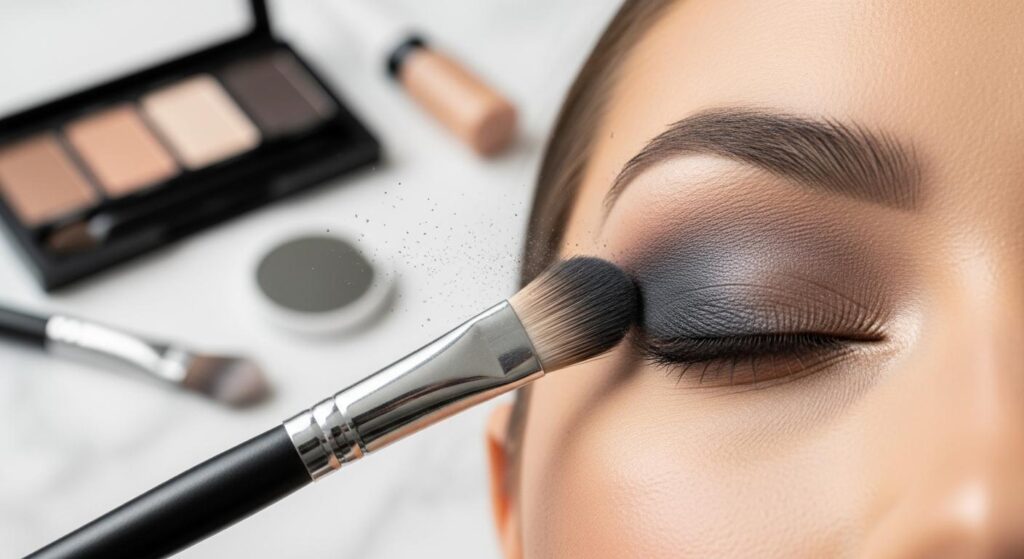
Tool choice matters. A clean, soft makeup brush creates less friction than fingers or stiff sponges. Dirty tools introduce bacteria that trigger breakouts.
Gentle pressure protects the skin barrier. Pressing and patting works better than dragging. Strategic coverage, using concealer only where needed, keeps skin breathable.
Let skincare set before makeup application. Applying foundation too quickly can trap moisture and cause slipping or irritation. Over-blending, especially around the nose and mouth, often triggers redness.
Clean hands, clean tools, and patience do more for healthy skin than another layer ever could.
Maintaining Skin Comfort Throughout the Event
Heat and friction quietly sabotage makeup. Blotting paper removes sweat without disturbing foundation, while constant reapplying builds congestion.
Setting products should support wear without dryness. Lightweight setting sprays or powders applied sparingly help without suffocating skin.
Hydration matters here too. Dehydrated skin produces more oil, which can worsen acne and breakouts. Pay attention to discomfort signals like itching or warmth before irritation escalates.
Sometimes the smartest move is stepping outside, cooling down, and letting skin reset.
Post-Event Care: Preventing Breakouts After the Makeup Comes Off
Removal technique matters as much as the makeup remover itself. Rubbing aggressively disrupts the skin barrier and spreads irritation.
Gentle cleansing removes makeup without stripping. Double cleansing works well when both steps are mild and suited to your skin type.
After heavy makeup, calming steps help skin recover. Think hydration, barrier repair, and minimal treatment. Pausing strong acne treatment for a night often prevents rebound irritation.
Post-event care shapes future tolerance. Skin that recovers well handles makeup better next time, with fewer pimples, less redness, and steadier skin health.
Event makeup doesn’t have to be a gamble for sensitive skin. With thoughtful skin care, respectful formulas, and mindful makeup application, comfort and confidence can coexist, even under bright lights and long nights.