


Makeup That Matches Your Dress Color: Easy Pairing Rules That Always Work
At some point, most of us have stood in front of a mirror wearing a beautiful dress, makeup half done, wondering why something feels slightly off. The lipstick shade is pretty. The eye makeup is technically fine. Yet the overall look doesn’t quite click. This moment small but familiar is where color theory, skin tone, and a bit of thoughtful color matching quietly step in.
Makeup that matches your dress color isn’t about rigid rules or copying shades exactly. It’s about relationships. Between clothing and skin. Between color and finish. Between confidence and comfort. When those relationships make sense, stylish outfits feel effortless, even if you only had ten minutes to get ready.
Why Dress Color and Makeup Should Work Together
Clothing color changes how makeup reads on the face. A red gown can make the same lipstick look brighter. A green dress can pull warmth from your skin tone or cool it down, depending on the shade. You’ll often find that makeup colors you love behave differently once a dress enters the equation.
When makeup and attire are coordinated, the result feels balanced rather than overdone. Sometimes contrast works best a bold lip against a simple cocktail dress. Other times harmony is the goal, especially with formal dress codes or bold patterns. Fabric texture and lighting matter too. Satin reflects color. Matte absorbs it. Skin tone acts as the bridge, quietly connecting dress, makeup color, and the overall look.
Neutral Dresses: The Freedom to Play With Makeup
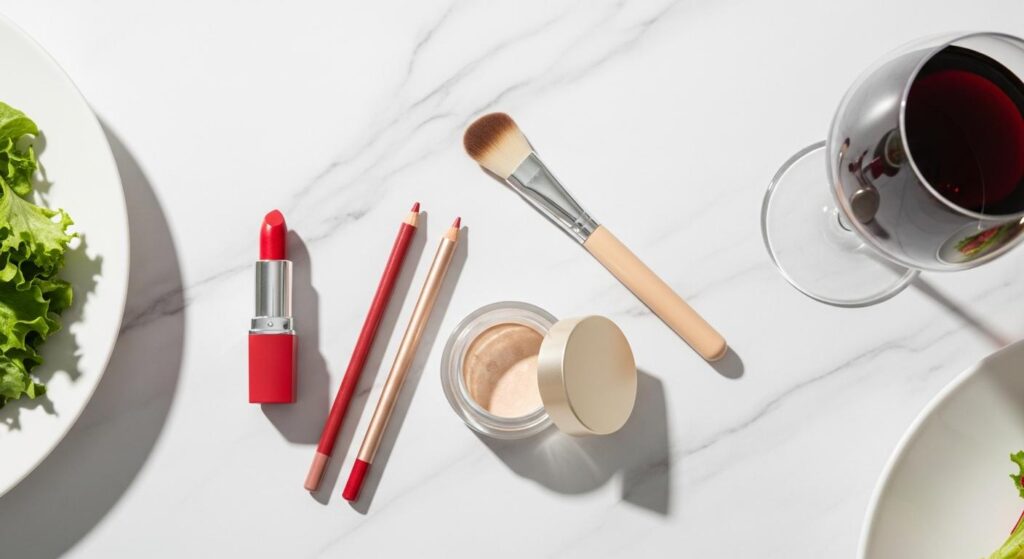
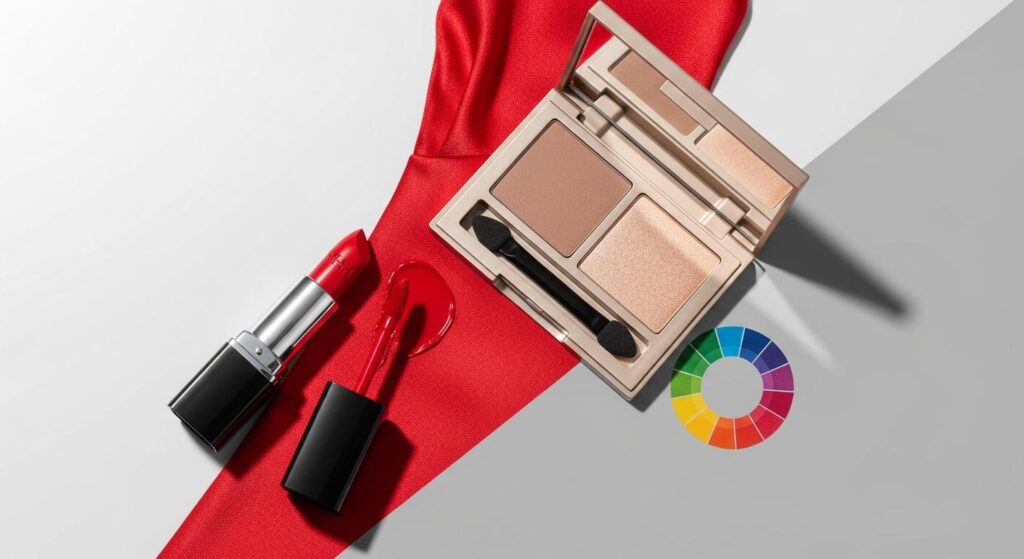
Neutral colors like black, white, beige, gray, and other neutral shades are the most forgiving canvas in fashion. They allow makeup to lead without competition. With a black dress, you can choose a bold lip maybe a classic red lipstick or defined eye makeup with softer lips.
Undertones matter more than exact shades here. A warm beige dress pairs well with peach blush and warm lipstick finishes. A crisp white outfit loves cooler tones and clean lines. Skin finish plays a role too. Matte makeup feels polished and sharp. Luminous skin adds softness and depth. Either works, as long as the look doesn’t fall flat.
Bold-Colored Dresses: Keeping Makeup Balanced
A bright color dress think cobalt blue, emerald green dress, or fire-engine red already makes a statement. In most cases, it’s best to let one element lead. Either the dress or the makeup, not both at full volume.
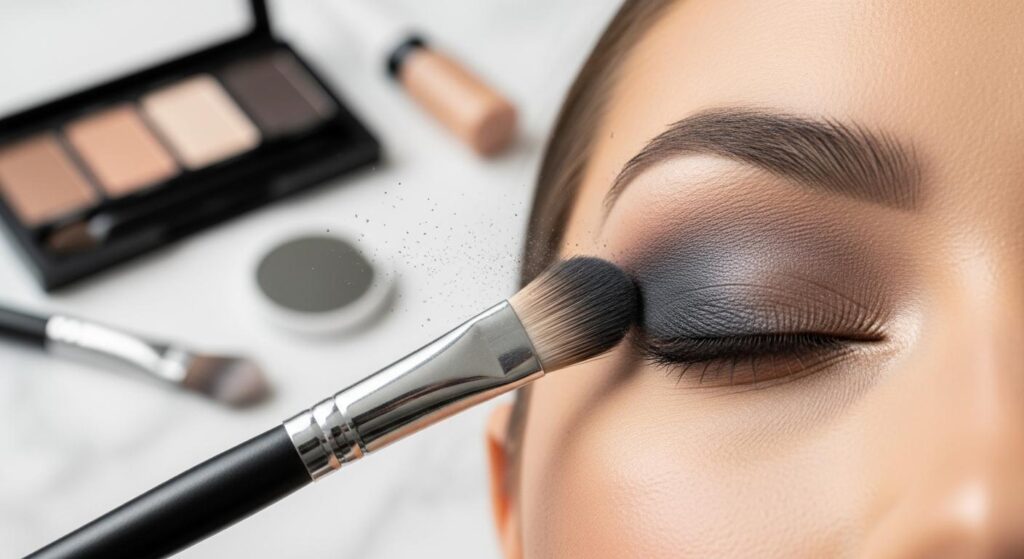
Soft eye makeup often pairs best with bold colors. Taupe, bronze, or gentle contouring keeps focus on the outfit. Lip color can still shine, just within the same family. With a red dress, a muted berry or soft red lipstick works better than a perfect match. Clean skin texture becomes essential here; bold color highlights everything, including uneven foundation.
Pastels and Soft Tones: Enhancing Without Washing Out
Pastel shades lavender, baby blue, blush pink can be tricky. They’re beautiful, but they sometimes drain warmth from the face. Makeup should quietly add dimension back.
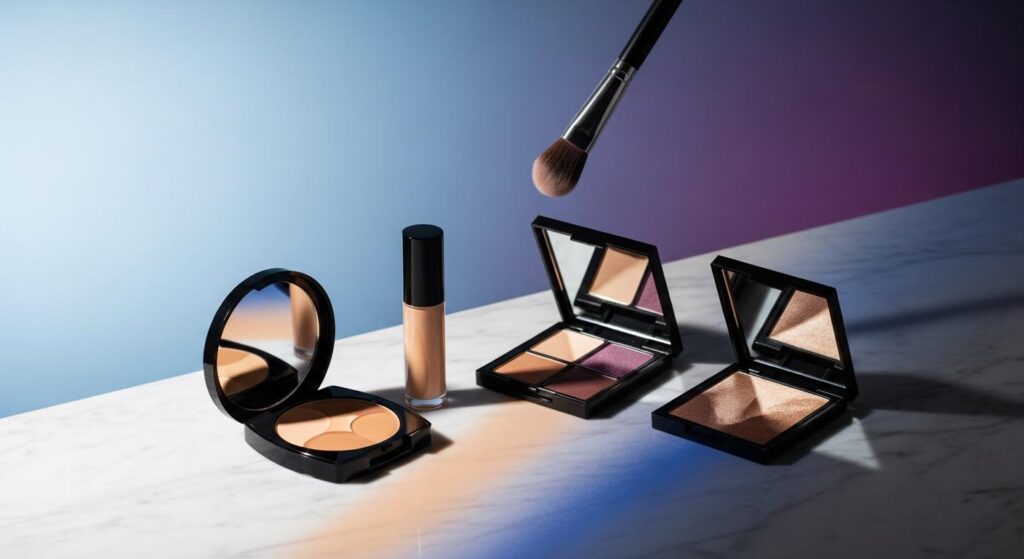
Blush and bronzer placement matters more than intensity. A touch of warmth on the cheeks creates healthy contrast. Lipstick shades with a bit of depth prevent a faded look. Soft eye makeup still needs structure: defined lashes, a gentle crease shade, maybe a satin finish. Hydration helps too. Well-prepped skin reflects light and keeps pastels from feeling flat.
Metallics, Sequins, and Statement Fabrics
Reflective fabrics change everything. Sequins, metallic gowns, and statement jewelry bounce light onto the face, which can exaggerate texture and shimmer in makeup.
Skin often looks best kept natural with strategic glow rather than full shine. Eye makeup finishes like satin or soft metallic echo the outfit without competing. Lip textures matter more than color cream or soft matte balances sparkle better than high-gloss. Heavy layering tends to show under bright light, so less product, applied thoughtfully, usually wins.
Matching Makeup to Dress Color Without Exact Color Copying
Exact color matching green eyeshadow with a green dress, orange lipstick with orange clothing can look dated. It flattens the color palette and removes depth.
Using analogous colors or complementary colours works better. Think color families rather than identical shades. Undertone coordination is the smarter rule. Neutrals act as connectors, helping bold colors coexist. Cohesion often comes from matching finishes soft with soft, bold with bold rather than matching color itself.