

Why Brow Shape Changes How the Face Is Read
Years ago, backstage at a photoshoot, I watched a makeup artist adjust one eyebrow on an otherwise finished face. Just one. The model looked the same, and then—somehow—completely different. Her eyes seemed more awake, her cheekbones sharper, her whole expression calmer. It was a quiet reminder that brow shape, and eyebrow shape in particular, carries more weight than we give it credit for.
Brows act as a visual frame for the face. They guide attention, set emotional tone, and help the brain read symmetry almost instantly. A slightly higher arch or a longer tail can shift how balanced a face feels, even if nothing else changes.
In most cases, the best brow shape works with facial proportions instead of fighting them. That’s why copying a brow trend straight from social media so often feels off. The perfect brow shape for one face type may look distracting on another.
Brow shaping for different face types—finding the most flattering arch—is less about rules and more about harmony. Think cooperation, not domination.
Understanding Your Face Shape Before Touching the Brows
Before eyebrow shaping begins, it helps to step back and look at the face as a whole. Different face shapes—oval face, round face, square face, heart shape, long face, and rectangular face—offer useful clues about what the brows might want to do.
Bone structure matters more than face size. Forehead width, cheek placement, jawline angle, and chin length all influence the right eyebrow shape. Brows tend to look best when they echo natural angles already present in the face.
This is where brow mapping and eyebrow mapping can help. Mapping identifies where the brow should start, peak, and end based on facial feature alignment. It offers direction, not strict boundaries.
Face shape is a guide, not a cage. The ideal brow shape still leaves room for personal style, natural brow growth, and hair texture.
Brow Shapes That Complement Oval Faces
The oval face shape is often called “balanced,” which sounds boring but is actually freeing. Oval faces can wear many different eyebrow shapes without looking overwhelmed.
Soft arches and gently curved brows usually feel most natural here. Extreme arched brows or very flat brows can pull attention away from otherwise even facial proportions.
Brow length matters more than drama. A brow that extends just far enough helps maintain visual balance across the face, especially when paired with a fuller brow texture.
For oval faces, the best eyebrow shape often looks like the natural brow shape—just cleaned up, lightly defined, and supported with a touch of brow gel.
Brow Strategies for Round and Square Faces
Round face shapes benefit from brows that add a bit of vertical lift. A higher arch creates the illusion of length and helps balance fuller cheeks.
Rounded brows that sit too flat can exaggerate softness, which may not feel ideal. A defined peak—nothing sharp, just intentional—usually works better.
Square face shapes, on the other hand, already have strong angles. The best brow shape here is often a curved brow that softens without erasing structure.
Avoid sharp, boxy fronts or tails that drop downward. Clean definition and controlled fullness tend to support square facial proportions without harshness.
Brow Considerations for Heart and Long Face Shapes
Heart-shaped faces often feature a wider forehead and a narrower chin. Softer arches and slightly rounded brow lines help balance that contrast.
Very thin brows or heavily lifted arched brows can draw too much attention upward. Fullness at the front of the brow keeps the face grounded.
Long face and rectangular face shapes benefit from horizontal emphasis. Straighter brow lines or flat brows visually shorten facial length.
An extended brow tail—kept light and soft—adds width, which helps restore proportion. In these cases, the ideal eyebrow shape often looks relaxed rather than sculpted.
The Role of Skin and Hair Health in Brow Appearance
Brow hair reflects overall skin condition more than most people realize. Dry, irritated skin can affect how brow products sit and how long they last.
Gentle cleansing around the brow area protects follicles and supports consistent growth. Over-scrubbing or harsh exfoliation can thin brows over time.
Conditioning products and lightweight oils support flexibility and shine, especially for those with coarser brow hair or after brow lamination services.
Healthy brows respond better to shaping. In most cases, care matters just as much as technique.
Common Brow Shaping Missteps That Age or Distort Features
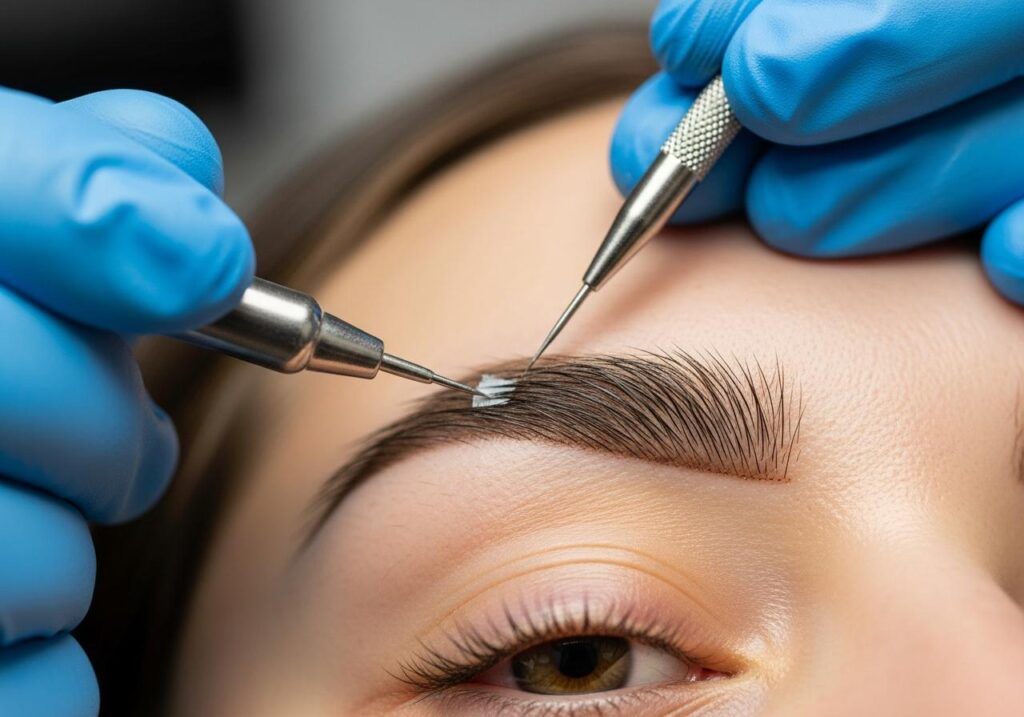
Over-plucking remains one of the most common eyebrow shaping issues. Repeated removal can reduce long-term density, making the perfect brow shape harder to achieve later.
Heavy fronts create a harsh, unyielding expression. Brows should fade softly at the inner corner, regardless of face type.
Tails that dip too low can pull facial features downward, subtly aging the face. Keeping the tail aligned with the brow head usually feels more balanced.
Perfect symmetry is less important than harmony. Natural eyebrows are sisters, not twins.
Building a Brow Routine That Works Over Time
A reliable brow routine starts with skin prep. Clean, calm skin helps brow products apply evenly and stay put.
Choose products based on brow hair texture rather than hype. A fine brow pencil, a tinted brow gel, or a soft powder each serve different needs.
Light definition often looks more polished than heavy filling. The right brow shape should feel comfortable and look natural throughout the day.
Regular maintenance—small trims, gentle tweezing, occasional professional eyebrow shaping—prevents drastic corrections and supports a consistent, natural eyebrow shape.
Brows change with time, hormones, and habits. Staying flexible allows the brow code to evolve along with the face.
The perfect eyebrow shape is rarely perfect in a technical sense. It’s the brow that fits your face, respects your features, and lets your expression do the talking. And when that happens, people may not notice your brows at all. They’ll just say you look really good—and never quite know why.
Why Brow Shape Changes How the Face Is Read
Years ago, backstage at a photoshoot, I watched a makeup artist adjust one eyebrow on an otherwise finished face. Just one. The model looked the same, and then—somehow—completely different. Her eyes seemed more awake, her cheekbones sharper, her whole expression calmer. It was a quiet reminder that brow shape, and eyebrow shape in particular, carries more weight than we give it credit for.
Brows act as a visual frame for the face. They guide attention, set emotional tone, and help the brain read symmetry almost instantly. A slightly higher arch or a longer tail can shift how balanced a face feels, even if nothing else changes.
In most cases, the best brow shape works with facial proportions instead of fighting them. That’s why copying a brow trend straight from social media so often feels off. The perfect brow shape for one face type may look distracting on another.
Brow shaping for different face types—finding the most flattering arch—is less about rules and more about harmony. Think cooperation, not domination.
Understanding Your Face Shape Before Touching the Brows
Before eyebrow shaping begins, it helps to step back and look at the face as a whole. Different face shapes—oval face, round face, square face, heart shape, long face, and rectangular face—offer useful clues about what the brows might want to do.
Bone structure matters more than face size. Forehead width, cheek placement, jawline angle, and chin length all influence the right eyebrow shape. Brows tend to look best when they echo natural angles already present in the face.
This is where brow mapping and eyebrow mapping can help. Mapping identifies where the brow should start, peak, and end based on facial feature alignment. It offers direction, not strict boundaries.
Face shape is a guide, not a cage. The ideal brow shape still leaves room for personal style, natural brow growth, and hair texture.
Brow Shapes That Complement Oval Faces
The oval face shape is often called “balanced,” which sounds boring but is actually freeing. Oval faces can wear many different eyebrow shapes without looking overwhelmed.
Soft arches and gently curved brows usually feel most natural here. Extreme arched brows or very flat brows can pull attention away from otherwise even facial proportions.
Brow length matters more than drama. A brow that extends just far enough helps maintain visual balance across the face, especially when paired with a fuller brow texture.
For oval faces, the best eyebrow shape often looks like the natural brow shape—just cleaned up, lightly defined, and supported with a touch of brow gel.
Brow Strategies for Round and Square Faces
Round face shapes benefit from brows that add a bit of vertical lift. A higher arch creates the illusion of length and helps balance fuller cheeks.
Rounded brows that sit too flat can exaggerate softness, which may not feel ideal. A defined peak—nothing sharp, just intentional—usually works better.
Square face shapes, on the other hand, already have strong angles. The best brow shape here is often a curved brow that softens without erasing structure.
Avoid sharp, boxy fronts or tails that drop downward. Clean definition and controlled fullness tend to support square facial proportions without harshness.
Brow Considerations for Heart and Long Face Shapes
Heart-shaped faces often feature a wider forehead and a narrower chin. Softer arches and slightly rounded brow lines help balance that contrast.
Very thin brows or heavily lifted arched brows can draw too much attention upward. Fullness at the front of the brow keeps the face grounded.
Long face and rectangular face shapes benefit from horizontal emphasis. Straighter brow lines or flat brows visually shorten facial length.
An extended brow tail—kept light and soft—adds width, which helps restore proportion. In these cases, the ideal eyebrow shape often looks relaxed rather than sculpted.
The Role of Skin and Hair Health in Brow Appearance
Brow hair reflects overall skin condition more than most people realize. Dry, irritated skin can affect how brow products sit and how long they last.
Gentle cleansing around the brow area protects follicles and supports consistent growth. Over-scrubbing or harsh exfoliation can thin brows over time.
Conditioning products and lightweight oils support flexibility and shine, especially for those with coarser brow hair or after brow lamination services.
Healthy brows respond better to shaping. In most cases, care matters just as much as technique.
Common Brow Shaping Missteps That Age or Distort Features
Over-plucking remains one of the most common eyebrow shaping issues. Repeated removal can reduce long-term density, making the perfect brow shape harder to achieve later.
Heavy fronts create a harsh, unyielding expression. Brows should fade softly at the inner corner, regardless of face type.
Tails that dip too low can pull facial features downward, subtly aging the face. Keeping the tail aligned with the brow head usually feels more balanced.
Perfect symmetry is less important than harmony. Natural eyebrows are sisters, not twins.
Building a Brow Routine That Works Over Time
A reliable brow routine starts with skin prep. Clean, calm skin helps brow products apply evenly and stay put.
Choose products based on brow hair texture rather than hype. A fine brow pencil, a tinted brow gel, or a soft powder each serve different needs.
Light definition often looks more polished than heavy filling. The right brow shape should feel comfortable and look natural throughout the day.
Regular maintenance—small trims, gentle tweezing, occasional professional eyebrow shaping—prevents drastic corrections and supports a consistent, natural eyebrow shape.
Brows change with time, hormones, and habits. Staying flexible allows the brow code to evolve along with the face.
The perfect eyebrow shape is rarely perfect in a technical sense. It’s the brow that fits your face, respects your features, and lets your expression do the talking. And when that happens, people may not notice your brows at all. They’ll just say you look really good—and never quite know why.