

Seasonal Lip Care in Tuscany: Protecting Your Lips Year-Round
On a quiet January morning in Florence, you might notice something curious while waiting for your espresso. Everyone is bundled up, scarves tucked just so, hands wrapped around warm cups. Yet lips—those small, expressive bits of delicate skin—often tell a different story. A little tightness here, a flake there. It’s a subtle reminder that seasonal lip care in Tuscany isn’t a one-size-fits-all affair.
Tuscany asks a lot of our lips. The region moves from brisk winter air to glowing summer heat, with blustery winds, sudden temperature shifts, and long afternoons under an open sky. Paying attention to lip care year-round isn’t vanity; it’s basic comfort. And in most cases, a few thoughtful changes make all the difference.
Why Lip Care Needs to Change With the Tuscan Seasons
Lips are a bit like the canary in the coal mine of skin health. They react quickly because they lack oil glands, which means they can’t produce their own protective oils. When the climate changes, lips feel it first.
In Tuscany, winter dryness, spring winds, summer sun, and autumn cool all affect moisture levels. Dry lips, chapped lips, and cracked lips often show up before the rest of the skin complains. Wind and temperature swings pull moisture away, while UV exposure stresses already sensitive lips.
Adjusting your lip care routine with the seasons helps maintain healthy lips. It also prevents that cycle of dryness, peeling, and irritation that sneaks up on you during a café stop or vineyard walk.
Winter in Tuscany: Guarding Against Cold, Wind, and Indoor Heat
Winter lip care in Tuscany is quietly demanding. Cold air and wind increase moisture loss, while indoor heating dries the air even further. Lips can feel tight, parched, and oddly fragile.
A moisturizing lip balm with occlusive ingredients helps reduce water evaporation. Shea butter, olive oil, coconut oil, and other fatty acids act like a soft coat, keeping moisture where it belongs. Vitamin E supports lip health by soothing stressed skin.
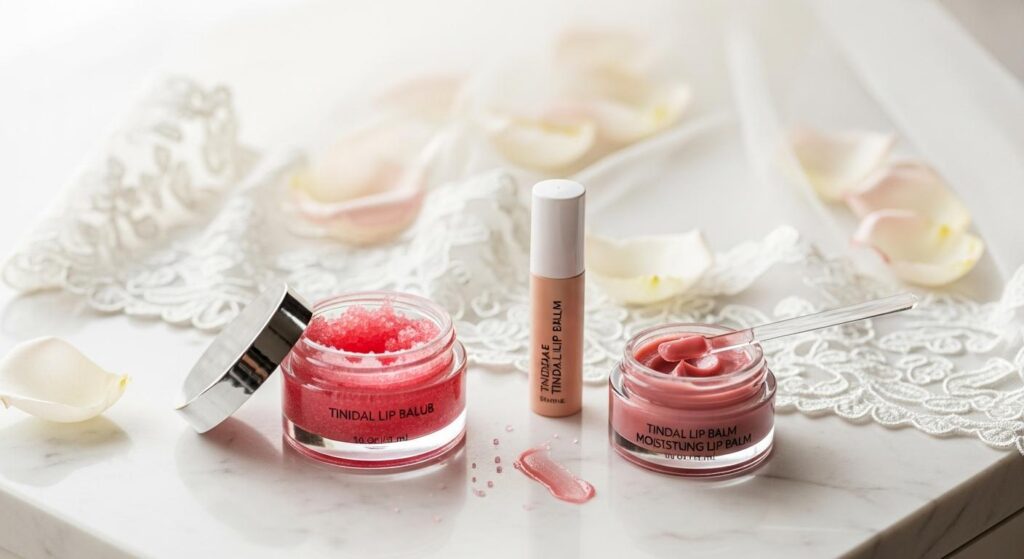
Gentle exfoliation matters here. A gentle lip scrub used once or twice a week removes dead skin cells without causing micro-irritation. Overdoing it, on the other hand, leaves lips more sensitive.
Night is prime repair time. An overnight lip mask or thick lip mask supports recovery while you rest. You’ll often wake up with moisturized lips that feel calmer and more flexible.
Spring Transitions: Restoring Balance After Cold Months
Spring in Tuscany feels hopeful, but lips don’t always get the memo. Lingering dryness from winter can stick around, even as the sun grows warmer.
This is the season to swap heavy textures for lighter ones. A lip oil or lightweight moisturizing lip balm offers lip hydration without feeling waxy. Barrier-repair ingredients help stabilize the delicate skin as temperatures bounce around.
Spring is also a good moment to reset habits. Avoid licking your lips, even when the breeze makes them feel dry. Saliva evaporates quickly and increases dryness over time.
A simple lip care routine—clean, hydrate, protect—goes a long way. Consistency, more than novelty, supports healthy lips.
Summer Sun and Heat: Protecting Lips Under the Tuscan Sky
Summer in Tuscany is generous with sunlight. Long lunches outdoors, coastal breezes, and golden afternoons are wonderful, but lips are especially vulnerable to UV damage.
An SPF lip balm with proper SPF protection is essential during the day. Sun exposure contributes to dryness, fine lines, and pigmentation changes. Lips don’t tan gracefully; they burn quietly.
Hydrating ingredients counteract heat-related dehydration. Lip oil and nourishing ingredients keep lips comfortable, even during high temperatures. Glossy textures and lip gloss can feel appealing, though sun-safe formulas matter more than shine.
Tinted lip balm offers a practical compromise: comfort, a hint of color, and protection. It’s summer-friendly lip care without fuss.
Autumn Recovery: Repairing Summer Stress on the Lips
By early autumn, many lips are quietly exhausted. Sun, salt air, and heat leave them dehydrated, even if they don’t look dramatic.
Cooler air begins pulling moisture from the skin again, which is why nourishing balms feel suddenly necessary. Natural lip balms rich in fatty acids restore softness and elasticity.
Antioxidants like vitamin E support recovery from sun exposure. A gentle lip scrub helps clear lingering dead skin, making lip care products more effective.
Autumn routines act as preparation. Caring for lips now reduces the risk of dry chapped lips when winter returns.
The Role of Skincare in Lip Health
Healthy lips don’t exist in isolation. Skincare habits around the mouth influence comfort and sensitivity.
Cleansers that leave residue or active treatments that wander onto the lips can trigger dryness. Barrier-strengthening skincare supports the lip contour area and reduces irritation.
Overusing exfoliating acids or retinoids near the mouth can affect sensitive skin and sensitive lips. A small buffer of lip balm before applying actives often helps.
When facial skin is hydrated, lips tend to follow. Lip care works best as part of a complete skin routine, not as an afterthought.
Makeup, Lip Products, and Seasonal Comfort
Makeup choices influence how lips feel throughout the day. Long-wear lip products often rely on volatile ingredients that can feel drying, especially in winter.
Creamier textures support comfort during temperature drops. Matte finishes benefit from proper prep, including a moisturizing lip balm or lip hydration step underneath.
Hydrating primers help lipstick wear evenly and feel better over time. Seasonal shifts usually call for texture changes, not shade changes.
Even flavored lip balm has its place, though strong flavors can irritate sensitive lips. Listening to how your lips respond matters more than trends.
Common Lip Care Myths That Don’t Hold Up Year-Round
One persistent myth is that licking lips helps dryness. It doesn’t. Avoid licking your lips whenever possible, as evaporation increases moisture loss.
Tingling sensations aren’t signs of effective hydration. They often indicate irritation, especially on delicate skin.
The best lip balm for winter may feel heavy in summer. One product rarely works perfectly across all seasons.
Natural ingredients still need balanced formulation. Olive oil, shea butter, and coconut oil shine when combined thoughtfully, not used alone. Consistency with lip care products matters more than constantly switching.
A Year-Round Tuscan Lip Care Routine
Seasonal lip care in Tuscany: protecting your lips year-round comes down to attention and adaptability. Notice how your lips feel. Adjust textures. Protect against sun and cold.
Whether you’re sipping wine from the café collection, strolling cobblestones in winter, or standing in summer fields, well-cared-for lips quietly support daily comfort. Moisture, protection, and gentle care keep lips resilient.
Healthy lips don’t demand perfection. They ask for awareness, a good lip balm, and the willingness to respond to the season you’re standing in.