Something I tell every model and client who books me: the week before a shoot matters more than anything I put on your face on the day. I've been doing makeup for camera long enough to know that skin prep before photoshoot day is where the final images are really made. If you've slept badly, tried a new acid the night before, or turned up dehydrated, I can work with it, but the camera will still see it.
Lenses and lights read skin differently to your bathroom mirror. Texture you've never noticed shows up. Redness lifts. Dry patches catch powder. Skin that's calm, properly hydrated and left alone in the days before photographs beautifully, almost regardless of what products go on top.
In this article I'll walk you through exactly what I ask of models and clients in the run-up to a shoot. Sleep, water, what to pause if your skin is reactive, and the one rule I won't budge on: nothing new the night before. I'll also explain how makeup built for camera differs from the makeup you wear day to day.
The week before your shoot: sleep, hydration and steady routine

Here is what I tell clients in the seven days before a booking. Keep it steady. This is not the week to try anything new on your skin.
Sleep is the first thing I ask about. Not one big night before the shoot, but a consistent pattern across the week. Skin that has been running on four hours a night for a fortnight shows up on camera, and no amount of skin prep before photoshoot day fully covers it. Aim for the same bedtime, roughly, and give yourself seven or eight hours where you can.
Water matters more than people think. Steady intake across the day keeps skin looking even and makes makeup sit better. Cut back on very salty food and alcohol in the final few days. Both pull water out of the skin and puff the face, particularly around the eyes.
Stay with the routine your skin already knows. If you have been using the same cleanser and moisturiser for months and your skin is calm, keep going. Now is not the moment to start retinol, a new acid, or a strong exfoliant you saw online. First reactions tend to arrive at the worst time.
I am not looking for perfect skin on the day. I am looking for calm, hydrated, predictable skin. Steadiness beats a last minute overhaul every time.
This is general information, not medical advice. Individual results vary. If you have a skin condition, are pregnant, or are unsure whether a treatment is right for you, talk to me directly before booking.
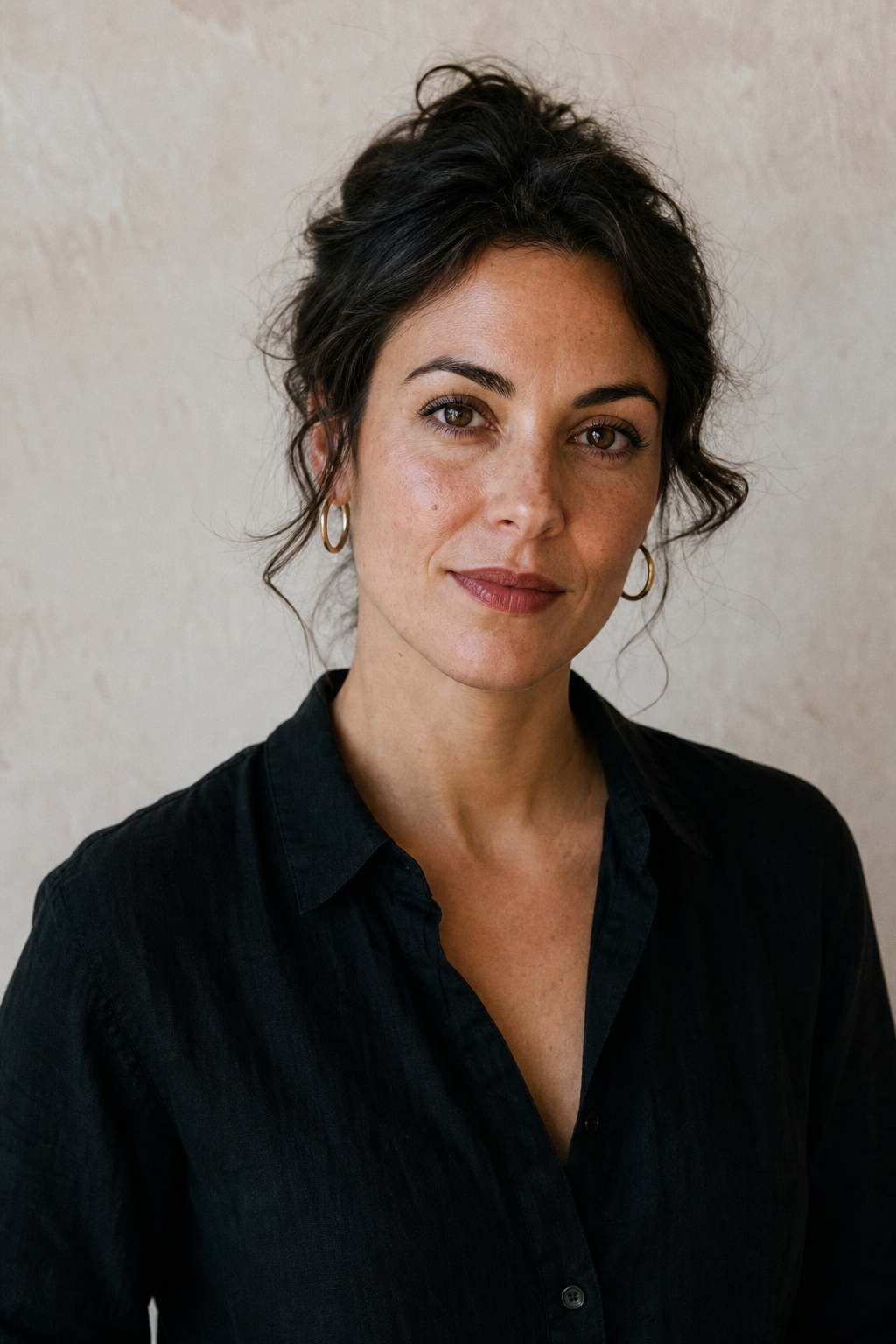
Teresa Divis Tabibi. See Photoshoot Makeup and Booking. International and location bookings by inquiry.
What to pause if your skin tends to react

If your skin flares easily, the week before a shoot is not the time to push it. I tell reactive clients to step back from strong actives around five to seven days out:
- Retinoids
- Glycolic and salicylic acids
- Vitamin C in high percentages
- Benzoyl peroxide
- Scrubs, acid peels, enzyme masks, and cleansing brushes
The reason is practical. Over-exfoliated skin sits differently under camera. It grabs foundation in patches, shows texture where there was none, and reads pink or blotchy under strong lights. Inflamed skin, even mildly, is harder to even out without piling product on, and piled-on product is exactly what you do not want photographed close up. Calm skin takes makeup cleanly. Irritated skin fights it.
None of this is a blanket rule. If you have been using a retinoid nightly for two years and your skin is settled, stopping suddenly can cause its own problems. Same with acids you tolerate well. If your routine is stable and your skin is behaving, keep going. The pause is for skin that reacts, stings, or has been pushed recently.
If you are not sure which camp you fall into, message me before you change anything. I would rather have a two-minute conversation than see you turn up mid-flare.
This is general information, not medical advice. Individual results vary. If you have a skin condition, are pregnant, or are unsure whether a treatment is right for you, talk to me directly before booking.
The night before: the firm rule against trying anything new
Here is my one rule, and I do not bend on it: nothing new the night before a shoot. No new products, no first-time facial, no peel you have been curious about, no sheet mask a friend just posted about. If your skin has not met it yet, it does not meet it the night before a camera does.
The mistakes I see most often are panic-driven. Someone spots a dry patch at 9pm and reaches for a scrub. Someone else layers three unfamiliar serums because they want to look their best tomorrow. Both of those things tend to show up on camera as redness, tight patches, or a strange finish under makeup that no amount of blending fixes on the day.
What I want you to do instead is boring on purpose. Cleanse gently with what you already use. Apply your usual moisturiser. Drink water through the evening, not all at once before bed. Get in bed earlier than you think you need to. That is skin prep before photoshoot day, done properly.
This is general information, not medical advice. Individual results vary. If you have a skin condition, are pregnant, or are unsure whether a treatment is right for you, talk to me directly before booking.
Photoshoot Makeup | Book a session
How makeup for camera differs from everyday makeup
Your bathroom mirror lies. Soft overhead light, a quick glance, you're out the door. Studio strobes and location daylight do the opposite. They flatten shadow and push every bit of texture, dry patch, flaking around the nose, and product build-up straight to the front of the image. Things you never notice in person show up clearly on a 50-megapixel file zoomed to 100 percent.
That is why I care more about what happens before I open a makeup bag than what goes in it. Camera-ready makeup sits on skin that has been prepped properly. Hydrated, not slick. Exfoliated earlier in the week, not the night before. No new actives introduced 48 hours out. If the base underneath is even and comfortable, I can use less product on top, and less product always photographs better.
The mistake I see most often is people trying to fix dehydrated skin with more foundation. It does not work. Dry skin grabs pigment unevenly, settles into fine lines, and lifts around the mouth and forehead under lighting. You end up looking older and more tired on camera, not smoother. Coverage cannot replace water in the skin.
So I build in layers: hydration first, then targeted correction, then the lightest base that does the job.
This is general information, not medical advice. Individual results vary. If you have a skin condition, are pregnant, or are unsure whether a treatment is right for you, talk to me directly before booking.
Teresa Divis Tabibi advises on Photoshoot Makeup and takes bookings here. International and location bookings by inquiry.
Shoot morning: what to do and what to skip
Keep the morning simple.
- Cleanse gently with whatever your skin already knows
- Pat dry, and apply your usual moisturiser
- Give it a few minutes to settle before you leave the house
- Eat something with protein and drink a glass of water
Arrive with clean, bare skin unless I've asked you to come in a specific way. Skip rich balms and heavy occlusive layers that morning, they sit under foundation and move it around. Skip a thick SPF under makeup unless we've talked about it, some formulas flash back white in flash photography. And nothing new the day of. No first-time serums, no fresh exfoliant, no last-minute facial, wax, or thread.
Bring your lip balm, any prescription skincare you use daily, a water bottle, and a snack. Wear a button-through or zip top to the chair so nothing has to come off over a finished face. Tie hair back loosely if it's long.
Give yourself an extra fifteen minutes on the journey. Arriving unhurried is the single biggest thing you can do for the pictures.
This is general information, not medical advice. Individual results vary. If you have a skin condition, are pregnant, or are unsure whether a treatment is right for you, talk to me directly before booking.
See Photoshoot Makeup or book a session.
International and location bookings
I take international and location bookings by inquiry. If you're flying me in, or we're meeting on location, get in touch early so we can plan properly around your schedule, the light, and the look you want.
When a shoot involves travel, I send prep notes ahead of time. That covers what to stop using if your skin tends to react, what to keep doing, and how to handle the flight and the days leading up to the shoot. I'd rather you have the information a week or two out than the night before.
One thing I push harder for travel jobs: don't try new products or treatments in a new environment. Different water, different climate, jet lag, a hotel pillow, a facial someone recommended on arrival. Any of those can push reactive skin over the edge the day before camera. Stick to what you know works.
If you want to talk logistics, message me and we'll work through the details.
Photoshoot Makeup | Booking
Next step: speak to Teresa about your shoot
Before you book anything, talk to me. A checklist online can only take you so far. What your skin needs in the week before a shoot depends on what you already use, how it reacts to change, and what the shoot itself involves. Studio lighting, outdoor location, close-up beauty work: they all ask something different of the skin.
If you have a skin condition, are pregnant, or you are not sure whether your current routine is helping or working against you, message me directly. I would rather answer questions early than fix something on the day.
This is general information, not medical advice. Individual results vary. If you have a skin condition, are pregnant, or are unsure whether a treatment is right for you, talk to me directly before booking.
If you want more on this, start with Facial & Skin.