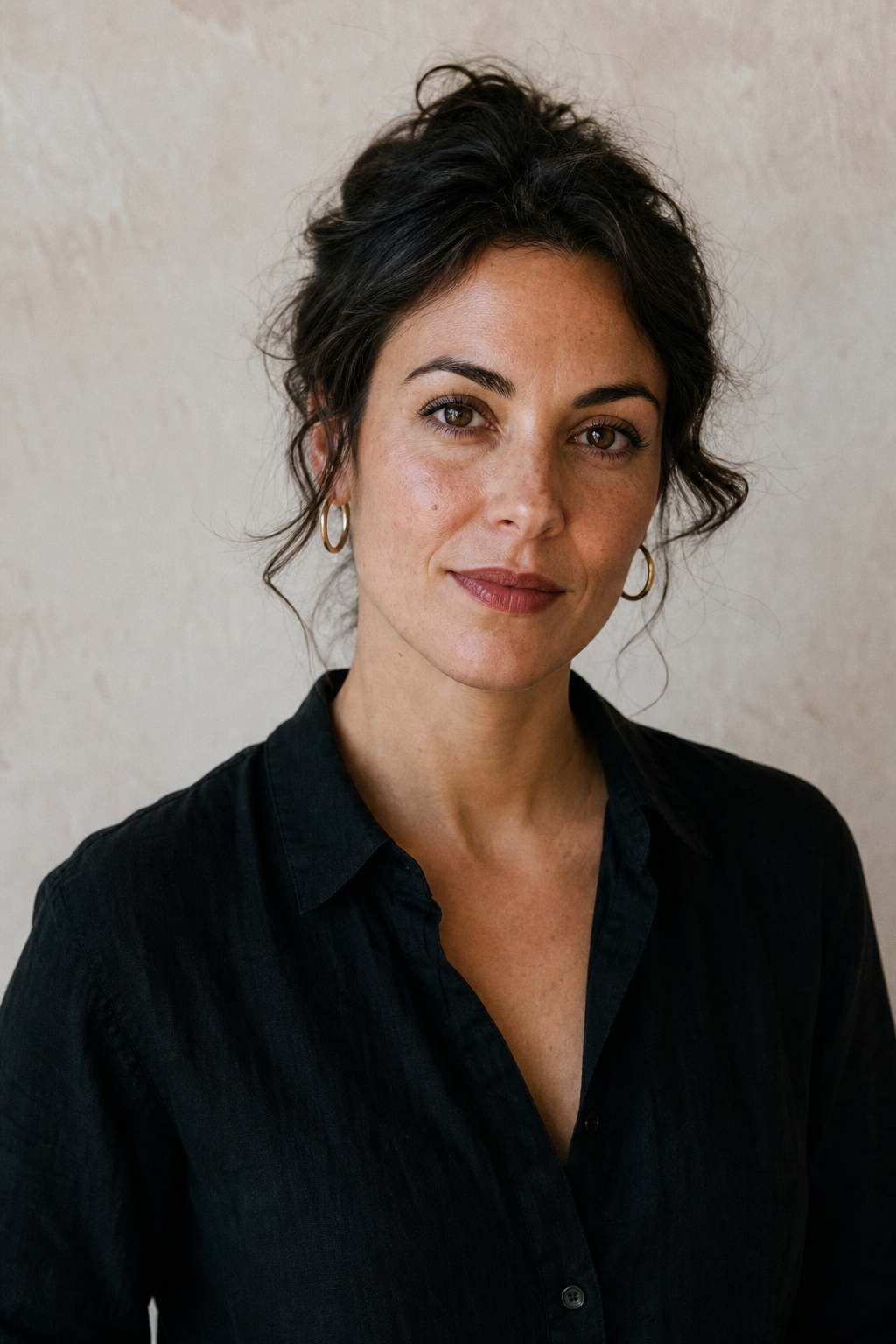
Most people who message me asking "what is dermopigmentazione" have already fallen down a Google hole and come out more confused than when they started. Some of my clients are based in Italy and grew up hearing the word used loosely for anything involving pigment and a needle. Others are in the US and know it as permanent makeup, micropigmentation, or cosmetic tattooing, and they're not sure if I'm talking about the same thing. I am. Dermopigmentazione is the Italian term for depositing pigment into the skin for cosmetic or corrective reasons. Brows, lips, eyeliner, scar camouflage, areola restoration after breast surgery. That's the umbrella.
The confusion is fair. The word gets used for everything from a soft powder brow to a full traditional tattoo, and the technique, depth, and healing are not the same across those.
If you're reading this before your first session, you're probably a bit nervous. Most people are. I'd rather you have the honest version now than find out halfway through a consultation that it wasn't what you pictured.
What dermopigmentazione actually is, in plain English
Dermopigmentazione is a controlled cosmetic technique where I deposit small amounts of pigment into the upper layers of the skin using a fine needle. It sits in the epidermis and the very top of the dermis, which is why it softens and fades over time rather than staying put like a traditional tattoo. It is not makeup you wash off, and it is not permanent ink either. It sits somewhere in between, and that is the point.
People come to me for different reasons. Some want brows that read as their own, just tidier and more defined. Others want a soft lip tint that brings colour back after years of feeling washed out. Eyeliner work is common too, usually a fine lash line enhancement rather than a heavy wing. I also work on areola restoration after breast procedures, and on scars or areas with pigment loss where the goal is to even things out.
The aim, every time, is a natural finish. I am not trying to draw a brow on your face or paint a lip. I am building tone, shape and definition that looks like skin, not like a filter. That means matching undertone carefully, choosing a shape that suits your bone structure, and going lighter than you think you want on the first pass.
Treat it as a considered aesthetic choice. It rewards planning, and it rewards working with someone who will tell you honestly what will and will not suit you.
How it differs from regular makeup and from traditional tattooing
People ask me this constantly, so let me be clear about what dermopigmentazione actually is and what it isn't.
Regular makeup sits on top of the skin. You put it on in the morning, it moves around during the day, it smudges when you rub your eyes, and it comes off with cleanser at night. Powder, pencil, liquid liner, brow gel, lipstick. All of it lives on the surface.
Dermopigmentazione is different. I place cosmetic pigment into the upper layer of the skin using a fine needle. It stays put. You wash your face, you swim, you cry at a film, and the shape is still there in the morning.
Now, the tattoo question. Traditional tattoos go deeper into the dermis and use tattoo ink, which is formulated to stay permanent and often shifts in tone over years. My work sits shallower and uses cosmetic pigments designed to soften and fade gradually. That is intentional. Faces change. Trends change. I want the colour to move with you and be adjustable at a refresh, not lock you into one look forever.
Why does the distinction matter? Expectations. If you come in expecting eyeliner-in-a-bottle, you will be surprised it lasts. If you come in expecting a tattoo, you will be surprised it fades. It is its own thing.
What a first session with me looks like

Before I touch any pigment, we sit down and talk. That first part isn't a formality. I ask about your general health, any medications, allergies, skin conditions, whether you're pregnant or breastfeeding, and how your skin usually reacts to things like sun, healing after cuts, or previous cosmetic work. Lifestyle matters too. If you swim daily, spend hours in the sun, or use strong actives at home, that changes how the pigment settles and fades.
Then we look at colour. I match to your natural skin tone, your undertone, and the effect you actually want. Someone with warm olive skin needs a different mix than someone very fair or very deep. I'll show you options on the skin, not just in a bottle.
Shape mapping comes next. I draw the design on with a pencil first, whether that's brows, lip contour, or something else. We look in the mirror together. I adjust. We look again. Nothing goes further until you tell me you're happy with what you see. That approval step is not optional.
Only then do I start the application. I work pigment into the upper layers of the skin using a fine needle, in small controlled passes. Most people describe the sensation as scratchy or buzzy rather than sharp. A full session usually runs between one and a half and three hours depending on the area and how detailed the work is.
At the end I clean the area, walk you through aftercare in writing, and book your follow-up. You leave knowing exactly what to do for the next two weeks.
This is general information, not medical advice. Individual results vary. If you have a skin condition, are pregnant, or are unsure whether a treatment is right for you, talk to me directly before booking.
Ready to come in? Book a session with me.
Healing, colour settling, and aftercare in the first weeks

When people ask me what is dermopigmentazione going to look like right after the session, I tell them straight: bolder than the final result. Fresh pigment sits high in the skin and looks sharper, darker, and more defined than it will in a month. That is normal. It is not the finished colour.
The first three to five days are the busiest part of healing. The area feels tender, may look slightly swollen, and starts to form a thin film or light scabbing depending on the technique used. Between roughly day five and day ten, that surface layer flakes off in tiny pieces. Do not help it along. Picking pulls pigment out unevenly and can leave patches you will not be happy with.
Once the flaking stops, the colour often looks faint, almost like it has faded too much. It has not. Pigment is still settling into the deeper layer while the skin heals over the top. The true colour usually becomes visible around week four to six, which is why I schedule any touch-up after that point and not before.
Aftercare basics I ask every client to follow: keep the area clean and dry as instructed, no direct sun, no swimming pools, no saunas, and no heavy sweating for the first couple of weeks. Sunscreen once fully healed helps the colour hold longer.
This is general information, not medical advice. Individual results vary. If you have a skin condition, are pregnant, or are unsure whether a treatment is right for you, talk to me directly before booking with Teresa.
How long the colour lasts and when a refresh is needed
Dermopigmentazione is not a tattoo in the traditional sense. The pigment sits in a shallower layer of the skin, and your body slowly breaks it down over time. That is by design. In my chair, most work holds well for around one to three years before a touch-up makes sense. Brows tend to sit at the shorter end, lips can hold longer, and scalp or areola work varies quite a bit depending on the person.
Fade is influenced by more than technique. Skin type matters. Oilier skin tends to soften pigment faster. Sun exposure is the big one. UV breaks colour down, so daily SPF genuinely extends how long your result looks fresh. Skincare with acids, retinoids, or strong exfoliants speeds fading too, especially if applied near the treated area. Age, medication, iron levels, and even how much you sweat during workouts all play a part.
A refresh is not a correction. It is how the treatment is meant to work. The colour is designed to soften, and a top-up brings shape and tone back without starting from scratch.
This is general information, not medical advice. Individual results vary. If you have a skin condition, are pregnant, or are unsure whether a treatment is right for you, talk to me directly before booking.
Book a consultation with Teresa
Suitability, honest limits, and the disclaimer
Dermopigmentazione is not right for everyone, and I would rather say that upfront than push a booking through. If you have very reactive skin, active eczema or psoriasis in the treatment area, keloid scarring, or a history of poor healing, we need to talk before you commit to a session. The same goes for anyone on blood thinners, undergoing chemotherapy, or with an autoimmune condition that affects the skin.
Pregnancy and breastfeeding are situations where I ask clients to wait. It is not about drama, it is about not adding variables I cannot control. Recent facial treatments like fillers, peels, or laser also change the timing of what we can do and when.
If you have had a cold sore near the lip area before, tell me. Lip work can trigger a flare, and there are steps to take beforehand.
This is general information, not medical advice. Individual results vary. If you have a skin condition, are pregnant, or are unsure whether a treatment is right for you, talk to me directly before booking.
When you are ready, book a consultation with me here and we will go through it properly.
Next step: speak to Teresa about booking a consultation
If you have read this far, you are probably weighing up whether dermopigmentazione is right for you. The honest answer is that it depends on your skin, your features, and what you actually want the result to look like day to day. That is why I prefer to talk it through before anything is booked.
Send me a message with what you are thinking about, whether that is brows, lip colour, or a scalp treatment. Tell me a bit about your skin, any conditions you know of, and what has put you off or drawn you in so far. I will give you a straight answer about whether it suits you, what a session would involve for your case, and what to expect during healing.
When you are ready, book a consultation with me here and we will take it from there.
If you want more on this, start with Facial & Skin.