


Chemical vs. Enzyme Peels: Which Exfoliation Treatment Is Right for Your Skin?
A few years ago, a client sat in my chair, gently tapping her cheek and whispering like it might hear her: “Why do you still look tired after eight hours of sleep?” Her skincare routine was impressive. Her makeup was high quality. The missing link, as it turned out, was exfoliation specifically, the wrong kind for her skin condition. That moment comes up often, because exfoliation sounds simple, but in practice it’s surprisingly nuanced.
So let’s talk about chemical vs. enzyme peels, and why choosing the right exfoliation treatment can change not only how your skin looks, but how it behaves, feels, and holds onto makeup.
Why Exfoliation Matters in Modern Skincare
Your skin is always shedding. Every day, skin cells rise to the surface, complete their shift, and bow out as dead skin. Exfoliation helps this process along, smoothing skin texture and supporting healthy skin cell turnover. When it works well, skin looks clearer, feels softer, and reflects light in that quietly confident way we often call radiant skin.
There are a few ways to exfoliate. Physical exfoliation uses a mechanical exfoliant scrubs, brushes, textured tools to manually move dead skin cells away. Chemical exfoliation relies on acids to dissolve the bonds between dead skin cell layers. Enzyme exfoliation uses, yes, enzymes, often from fruit, to digest surface keratin.
Over exfoliation, though, is more common than most people realize. Skin that feels tight, shiny but dull, or easily irritated is often asking for rest, not more effort. Exfoliation works best when it supports the skin barrier rather than challenging it every day.
What Chemical Peels Actually Do to the Skin
A chemical peel sounds dramatic, but most cosmetic chemical peels are light peels or superficial peels. They use chemical exfoliants AHAs like glycolic and lactic acid, BHAs like salicylic acid, and PHAs for more sensitive skin types to loosen the glue holding dead skin together.
Because chemical peels work at a cellular level, they can address deeper skin concerns over time. Acne prone skin, uneven skin tone, acne scars, and congested pores often respond well to chemical peeling. Oily skin and combination skin tend to tolerate these exfoliation treatments better, especially when the skin barrier is healthy.
Depth matters. Superficial peels focus on surface texture and brightness. Medium peels and deeper peels penetrate further and usually require professional guidance. Tingling can happen, but stronger sensation does not automatically mean better results, despite popular belief.
Enzyme Peels Explained: Gentle by Design
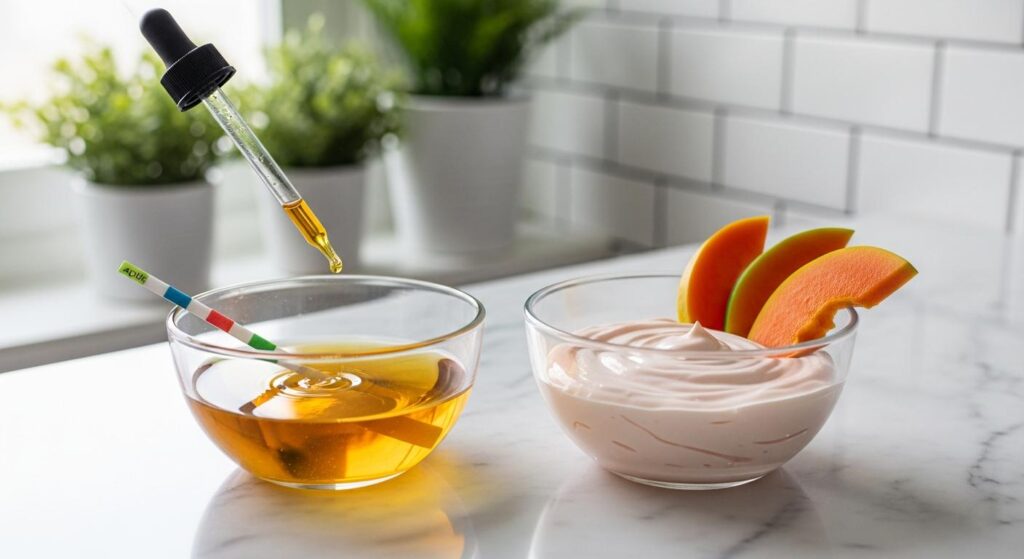
An enzyme peel works differently. Enzymes from papaya, pineapple, pumpkin, or other plants gently dissolve only dead skin, not living tissue. They stop working once there’s nothing left to digest, which is part of why enzyme peels feel so forgiving.
This makes enzyme exfoliation ideal for sensitive skin, dry skin, and skin conditions that flare easily. Redness prone skin often responds better to enzymes than to acids, especially during colder months or after procedures like laser hair removal.
Because enzyme peels don’t penetrate deeply, they fit beautifully into a skincare routine built around gentle exfoliation and long term comfort. You’ll often find they improve skin texture without triggering that tight, overworked feeling.
Chemical vs. Enzyme Peels: Key Differences That Matter
Speed is one difference. Chemical peels tend to work faster and go deeper. Enzyme peels work slowly, staying close to the surface. That difference alone can guide many choices.
Chemical peels may cause temporary redness or tingling, especially in acne prone skin or when addressing deeper skin concerns. Enzyme peels usually feel calm and warm, with little to no downtime.
Climate and lifestyle matter more than we think. Hot, humid weather can increase tolerance for chemical exfoliation. Cold, dry air often favors enzyme peels. Stress, travel, and hormonal shifts also influence how skin responds.
How Exfoliation Impacts Makeup Texture and Wear
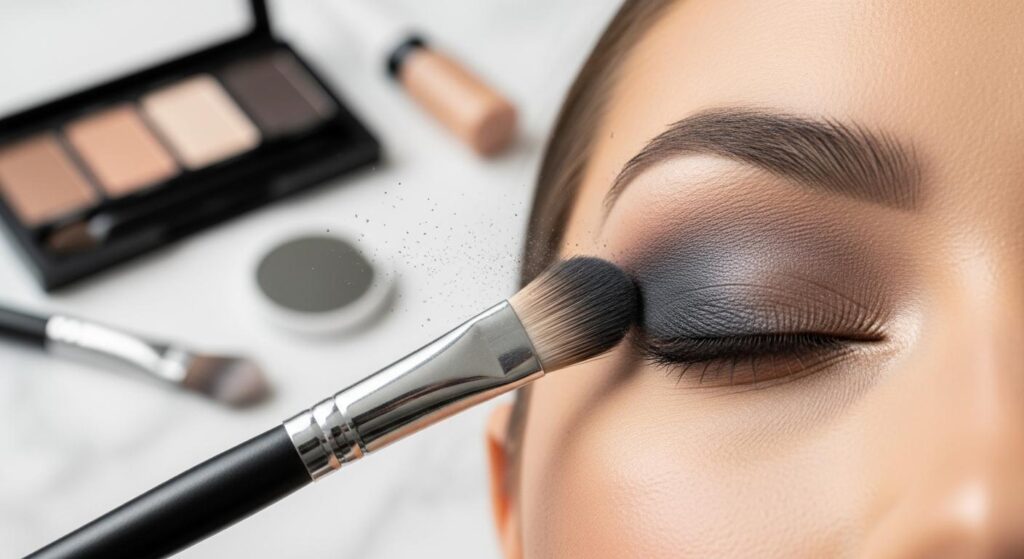
Makeup is honest. It settles where skin is uneven and clings to dead skin like it’s found a new hobby. Proper exfoliation smooths the canvas so foundation applies evenly and looks like skin, not product.
Uneven exfoliation, though, can cause patchiness or pilling. This happens when skin cells are loosened but not fully removed, especially after aggressive physical exfoliation or mismatched chemical peels.
Hydrated, exfoliated skin holds makeup longer and breaks down less around the nose and mouth. For makeup days, exfoliation usually works best the night before, not the morning of.
Choosing the Right Peel for Your Skin Goals
If dullness and uneven skin tone are the main concerns, chemical peels often deliver visible clarity. For acne scars and clogged pores, a chemical exfoliant with BHA can be helpful. If your skin reacts quickly, enzyme peels tend to support progress without stress.
Age, skin history, and season all play a role. Skin that tolerated deeper exfoliation in your twenties may prefer superficial peels later on. Professional guidance becomes important when considering medium peels, deep peel options, or persistent skin conditions.
In most cases, exfoliation two to three times a week is plenty. Signs a peel is helping include smoother skin texture, more even skin tone, and less irritation overall.
Common Myths About Peels and Skin Damage
One myth insists that stronger peels always work better. In reality, consistency and skin barrier health matter more than intensity. Another common idea suggests tingling equals effectiveness, which simply isn’t true.
Daily exfoliation is rarely necessary, even for oily skin. And sensitive skin types don’t need to avoid peels entirely. Enzyme peels and PHAs exist for a reason.
As the skin barrier repairs and strengthens, exfoliation tolerance often improves. What didn’t work last year may work gently now.
Building a Balanced Routine Around Exfoliation
Exfoliation starts with clean skin. Gentle cleansing prepares the surface without stripping it. After exfoliation, hydration and barrier support become non negotiable.
Sunscreen matters even more after exfoliation, whether you use chemical peels or enzyme peels. Fresh skin cells are more vulnerable to UV damage, even on cloudy days.
Pair exfoliation with calming ingredients ceramides, panthenol, niacinamide to keep skin comfortable. Consistency beats intensity every time, especially in a long term skincare routine.
Choosing between chemical vs. enzyme peels isn’t about right or wrong. It’s about listening closely to your skin, respecting its limits, and giving it exactly what it needs to keep doing its quiet, brilliant work.
Because chemical peels work at a cellular level, they can address deeper skin concerns over time. Acne prone skin, uneven skin tone, acne scars, and congested pores often respond well to chemical peeling. Oily skin and combination skin tend to tolerate these exfoliation treatments better, especially when the skin barrier is healthy.
Depth matters. Superficial peels focus on surface texture and brightness. Medium peels and deeper peels penetrate further and usually require professional guidance. Tingling can happen, but stronger sensation does not automatically mean better results, despite popular belief.
Enzyme Peels Explained: Gentle by Design
An enzyme peel works differently. Enzymes from papaya, pineapple, pumpkin, or other plants gently dissolve only dead skin, not living tissue. They stop working once there’s nothing left to digest, which is part of why enzyme peels feel so forgiving.
This makes enzyme exfoliation ideal for sensitive skin, dry skin, and skin conditions that flare easily. Redness prone skin often responds better to enzymes than to acids, especially during colder months or after procedures like laser hair removal.
Because enzyme peels don’t penetrate deeply, they fit beautifully into a skincare routine built around gentle exfoliation and long term comfort. You’ll often find they improve skin texture without triggering that tight, overworked feeling.