


How Often Should You Get a Facial? A Dermatologist-Guided Skincare Schedule
A dermatologist once joked that facials are a bit like dentist appointments for your skin. You don’t need them every week, skipping them forever usually shows, and the sweet spot lives somewhere in the middle. That comparison sticks because it captures the quiet truth about professional facials: they’re supportive care, not a magic wand, and timing matters more than most people realize.
So how often should you get a facial? Every month? Before big events? Only when your skin feels “off”? The answer, in most cases, is both simpler and more nuanced than spa menus would have you believe.
What a Facial Really Does for the Skin
A professional facial supports skin cleansing in ways daily routines can’t quite match. Even with excellent at-home skincare, surface buildup from oil, sunscreen, pollution, and makeup tends to linger, dulling tone and softening clarity.
Most facials help lift away that buildup, support hydration, and calm the skin. You’ll often notice a short-term glow, that smooth, rested look that makes people ask if you slept well. With consistent treatments spaced appropriately, there can also be longer-term support for skin comfort, texture, and balance.
Still, not all facials are created equal. Techniques, products, and the professional’s training matter. A gentle hydrating facial and a more active exfoliating treatment behave very differently on the skin, even if they share the same room and soothing music.
Why Facial Frequency Isn’t the Same for Everyone
If there were a universal facial schedule, dermatologists would love it. Real skin, though, resists one-size-fits-all answers.
Skin type plays a major role. Oily skin often rebounds quickly, while dry or sensitive skin needs more recovery time. Age also matters; cell turnover slows over time, and recovery can take a little longer than it once did.
Lifestyle counts too. Sun exposure, stress, travel, sleep habits, and urban pollution all influence how skin behaves. Climate and seasonal shifts add another layer, with winter dryness and summer oil changes nudging schedules around.
Existing skin concerns change the equation as well. A facial schedule for maintenance looks very different from one supporting acne management or texture refinement.
Dermatologist-Recommended Facial Schedules by Skin Type
While personalization is key, dermatologists often suggest general ranges as a starting point.
Normal skin typically does well with facials every four to six weeks. This timing aligns nicely with natural renewal cycles and allows consistent upkeep without overwhelming the skin.
Oily or acne-prone skin may benefit from slightly more regular care, especially early on. Every three to four weeks is common, provided treatments are balanced and not overly aggressive.
Dry or sensitive skin usually prefers longer gaps. Every six to eight weeks gives the skin time to recover and rebuild comfort, especially when barrier support is a priority.
Mature skin often responds best to steady, gentle treatments. Consistency matters more than intensity here, with many dermatologists recommending a four- to six-week rhythm.
Reactive skin requires the most conservative approach. Timing should remain flexible, with careful product selection and close attention to how the skin responds after each visit.
The Role of Skin Cell Turnover in Timing Facials
Skin operates on a quiet internal clock. In younger skin, natural renewal averages around 28 days. With age, stress, and environmental exposure, that cycle tends to slow.
Facials timed to support these renewal patterns often yield better results. Treatments spaced too closely can interrupt recovery, while those spaced too far apart may feel less effective.
Over-treating is a common issue. Too much exfoliation or stimulation can disrupt the skin barrier, leading to sensitivity, redness, or that tight, uneasy feeling that lingers longer than it should.
Proper spacing allows skin to respond, rebuild, and actually benefit from professional care.
How Professional Facials Work with Your Daily Skincare
Facials don’t replace daily skincare. They amplify it.
Clean, well-supported skin responds better to active ingredients, both during treatments and at home. A solid routine built around gentle cleansing, hydration, and barrier support helps facial results last longer.
At-home habits matter more than many people expect. Skipping sunscreen or overusing strong products between appointments can undo professional work surprisingly fast.
Think of facials as checkpoints rather than resets. They refine, support, and guide your routine rather than carrying the whole load themselves.
When Facials Can Do More Harm Than Good
More isn’t always better. Too-frequent facials, especially those involving exfoliation or active ingredients, may irritate the skin.
Signs of over-treatment often include lingering redness, increased sensitivity, breakouts in unexpected places, or a compromised skin barrier that feels tight yet oily.
Skin needs rest periods. Those quiet weeks between appointments are when repair and balance happen.
Listening to skin responses matters more than sticking rigidly to a calendar. A schedule should serve your skin, not stress it.
How Goals Change Facial Frequency
Your reason for getting facials should guide how often you book them.
Maintenance-focused care usually requires fewer visits. Once every four to six weeks keeps things steady without overdoing it.
Acne management may call for closer spacing at the start, then longer intervals as skin stabilizes. Brightening and texture goals often benefit from consistent timing rather than intensity.
Pre-event facials deserve special planning. Dermatologists often suggest scheduling them at least one to two weeks ahead, giving skin time to settle and avoiding last-minute surprises.
Long-term skin quality improves through patience and regularity, not aggressive bursts of activity.
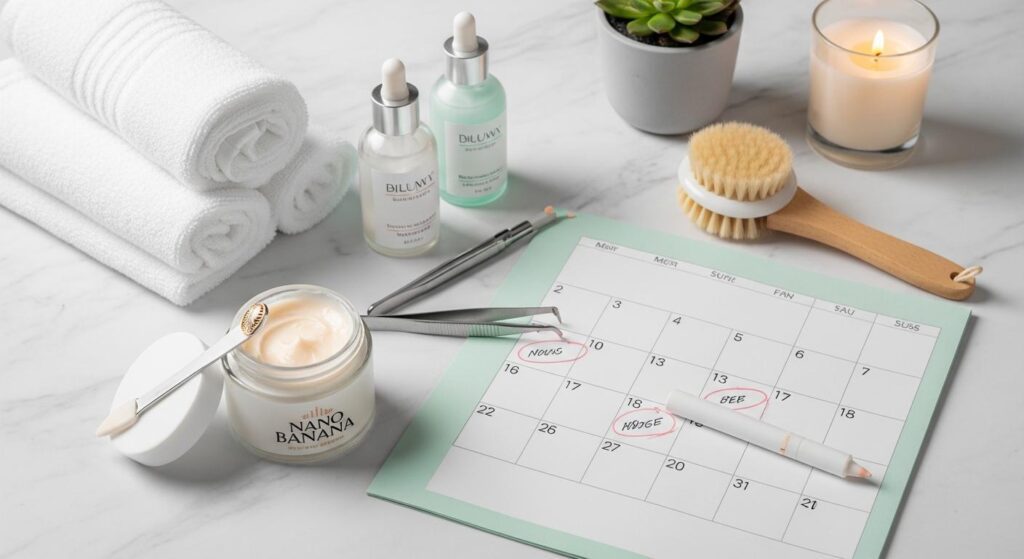
Building a Facial Schedule That Fits Real Life
The most effective facial schedule starts with your skin, not a package deal or social media trend.
Seasonal changes may call for adjustments. Skin that thrives on monthly visits in summer may prefer longer gaps in winter.
Professional guidance helps, especially from dermatologists or licensed estheticians who understand skin health. Pair that with your own observations; you live in your skin every day.
Quality matters more than frequency. A well-designed facial performed thoughtfully often outperforms multiple rushed appointments.
Viewed this way, facials become supportive care within a broader skincare routine, not a luxury reserved for special occasions. And that perspective, more than any rigid schedule, tends to keep skin calm, comfortable, and quietly glowing.