


Winter Skin Reset: How to Calm Redness, Flaking, and Tightness After Cold Weather
Sometime toward the end of the winter months, many people notice something odd. The cold weather is starting to loosen its grip, the days stretch a little longer, yet the skin looks worse than it did in early winter. Redness lingers. Makeup clings in strange places. There’s flaking around the nose, tightness after cleansing, and a general sense that your once-reliable skin care routine has quietly stopped working.
This is the moment when a winter skin reset becomes less of a luxury and more of a necessity. Not a dramatic overhaul. Not a 12-step program. Just a thoughtful recalibration grounded in skin health, barrier repair, and a better understanding of what winter really does to skin.
What Winter Really Does to Your Skin
Winter skin behaves differently because the environment is different, full stop. Cold air, cold wind, and low humidity pull moisture from the skin at a steady pace. Add dry indoor heat, and moisture loss accelerates, often without you noticing until irritation shows up.
The skin’s natural barrier, also called the protective barrier, starts to weaken under this pressure. Blood vessels constrict in cold temperatures, which can contribute to uneven skin tone and redness once you warm up again. Cell turnover slows, dead skin cells linger, and flaking becomes more visible.
That tight feeling so many people associate with cleanliness is often dehydration, not dryness alone. Dehydrated skin lacks water, while dry skin lacks oil. In winter weather, most people are dealing with both, to some degree.
Why Skin Feels Worse at the End of Winter, Not the Beginning
Early winter skin issues tend to be subtle. By late winter, the effects have stacked up. Barrier stress accumulates quietly, then announces itself through winter rash, irritation, and persistent redness.
Many winter skincare routines don’t change much as conditions change. Foaming cleansers stay in rotation. Moisturizer amounts stay the same. Over-cleansing creeps in, under-moisturizing follows close behind.
Makeup, especially powders and long-wear formulas, can highlight texture when skin is compromised. The products aren’t suddenly bad. The skin condition underneath has shifted.
Resetting the Basics: Gentle Cleansing and Smart Hydration
A winter skin reset usually starts at the sink. Switching from a foaming cleanser to a gentle cleanser, cream cleanser, or milk-based formula can reduce irritation almost immediately. Cleansing once daily, particularly at night, often helps sensitive skin recover faster.
Lukewarm water matters more than people think. Hot water feels comforting in cold weather, but it increases moisture loss and can worsen winter dryness.
Hydration works best in layers. A light, water-based formula applied to damp skin, followed by a moisturizer or moisturizing cream, helps replenish dehydrated skin. Alcohol-heavy toners tend to undo that work, especially in low humidity environments.
Calming Redness and Sensitivity Without Overcorrecting
Redness is not always inflammation, and inflammation is not always a skin issue that needs aggressive treatment. In winter skin care, restraint often works better.
Soothing ingredients like panthenol, allantoin, and centella support skin health without overwhelming irritated skin. Gentle exfoliation can help with flaking, though daily acids or scrubs usually slow recovery.
Using fewer products for a few weeks gives the skin barrier space to stabilize. Once redness calms, actives can return gradually, guided by comfort rather than habit.
Repairing the Skin Barrier for Long-Term Comfort
The skin barrier depends on a precise balance of ceramides, cholesterol, and fatty acids. When this balance is disrupted, skin loses moisture faster than it can replace it.
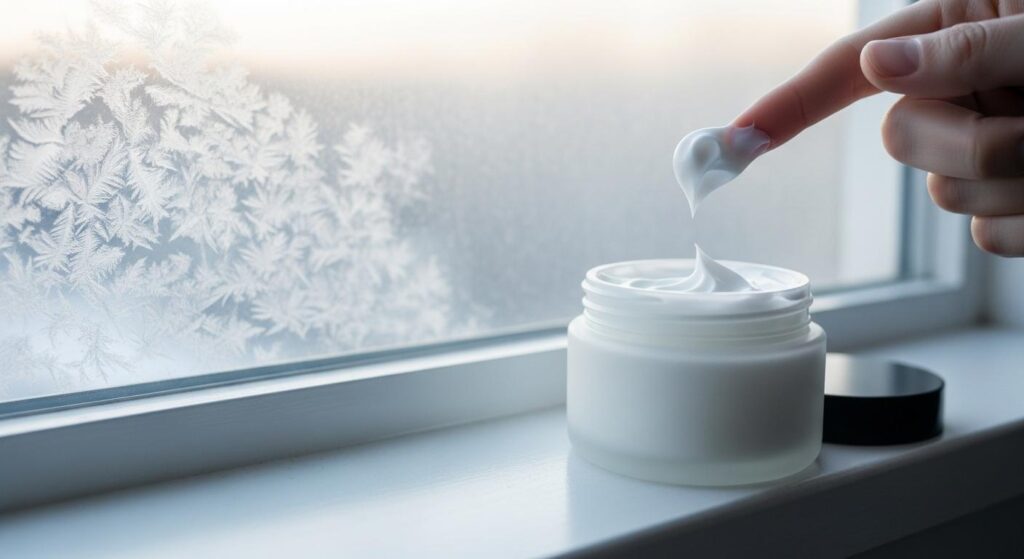
Barrier cream formulas help restore that structure, improving both feel and appearance. Occlusive ingredients seal in moisture without suffocating the skin, which matters for acne-prone or sensitive skin types.
Makeup After Winter: Adapting Products to Recovering Skin
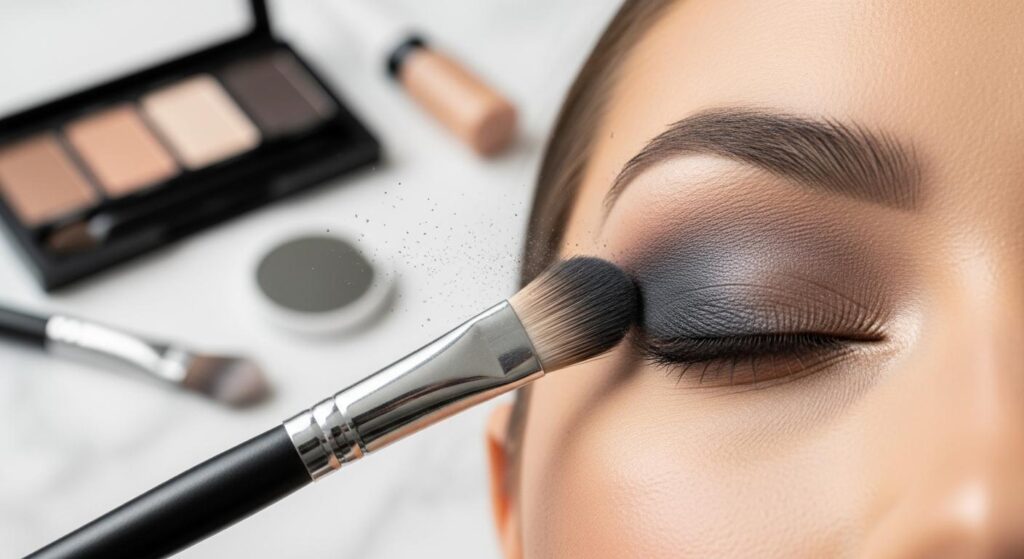
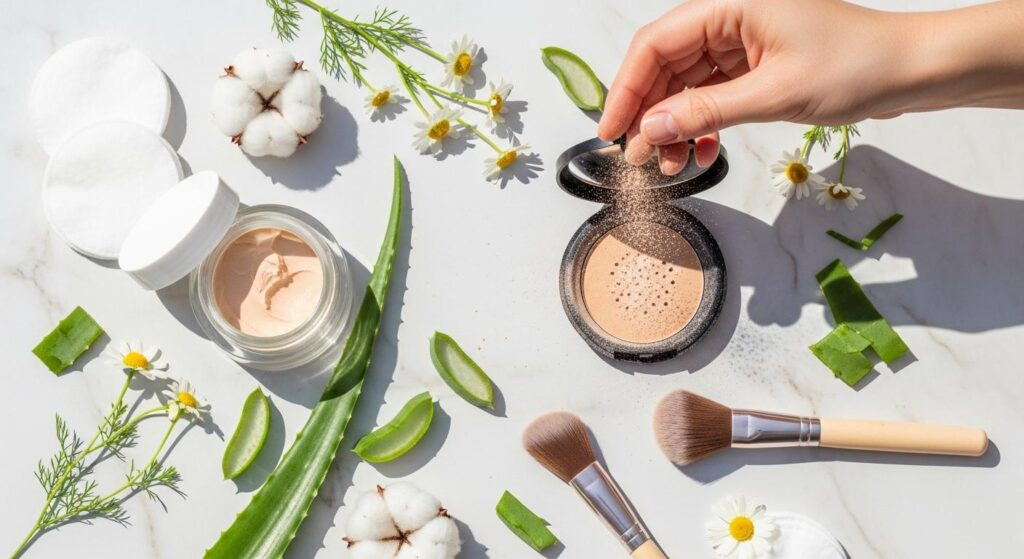
As skin resets, makeup choices matter. Cream and liquid formulas usually sit better on winter dry skin than powders. Hydrating primers smooth without masking texture.
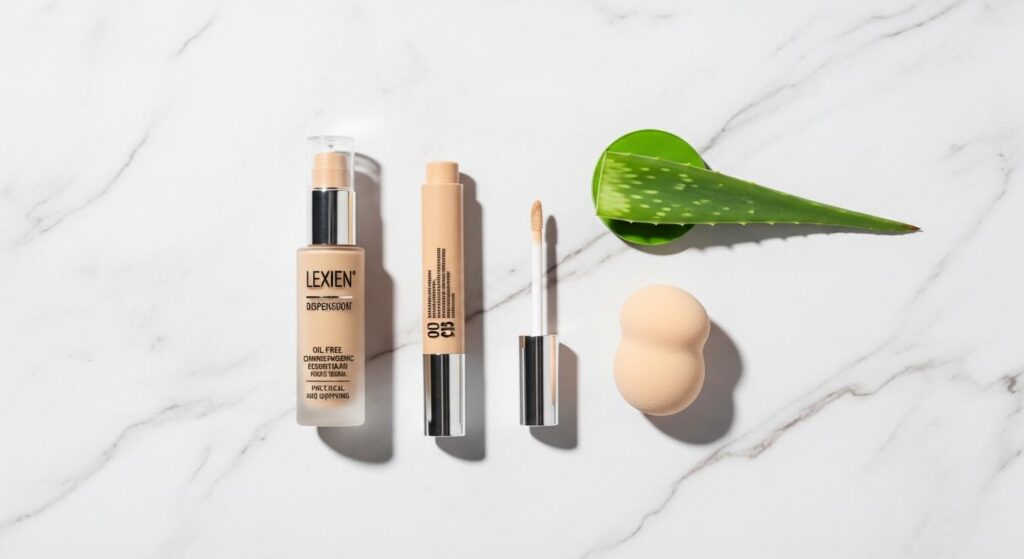
Lightweight foundations that move with the skin tend to look more natural on dry or dehydrated skin. Heavy powders, even beloved ones, can cling to dead skin cells and emphasize flaking.
Makeup works best as a supportive layer. When skin is hydrated and calm, coverage becomes easier and more forgiving.
Common Winter Skincare Misconceptions That Slow Recovery
More exfoliation does not equal faster renewal. In colder months, overdoing it delays barrier repair.
Tightness is not proof of clean skin. Oils alone cannot replace hydration. Redness is not always rosacea, allergy, or acne.
Well-matched makeup formulas rarely cause winter skin issues. Most problems start with moisture loss, irritation, and a stressed protective barrier.
Building a Seasonal Transition Routine for Spring-Ready Skin
A winter skin reset is not a seasonal fix. It’s a transition. As cold air fades and humidity rises, textures can shift before ingredients do.
Active ingredients reenter routines slowly, one at a time. Comfort becomes the main guide. If skin feels calm, hydrated skin follows.
Watching how makeup wears is a surprisingly good indicator of skin health. When foundation applies evenly and lasts without clinging, the skin barrier is usually in a good place.
Healthy skin responds to consistent care, not perfection. Winter skin, winter dry skin, and winter irritation don’t need dramatic intervention. They need patience, moisture, and respect for what skin has been through during colder months.