


Almond vs. Coffin Nail Extensions: A Complete Style and Wearability Guide
The first time I noticed how much a nail shape could change a hand, it wasn’t at a runway show or on social media. It was at a coffee shop. Two people, same latte order, same nervous tapping on the counter. One had almond shaped nails, soft and tapered, catching the light. The other wore coffin shaped nails, crisp and architectural. Same gesture. Entirely different energy. It made me pause. How could something so small feel so expressive?
That question sits at the heart of almond vs. coffin nail extensions: a complete style and wearability guide. These two popular nail shape options don’t just look different; they behave differently, wear differently, and quietly influence how your hands move through the world.
Understanding Nail Extension Shapes: Almond and Coffin Basics
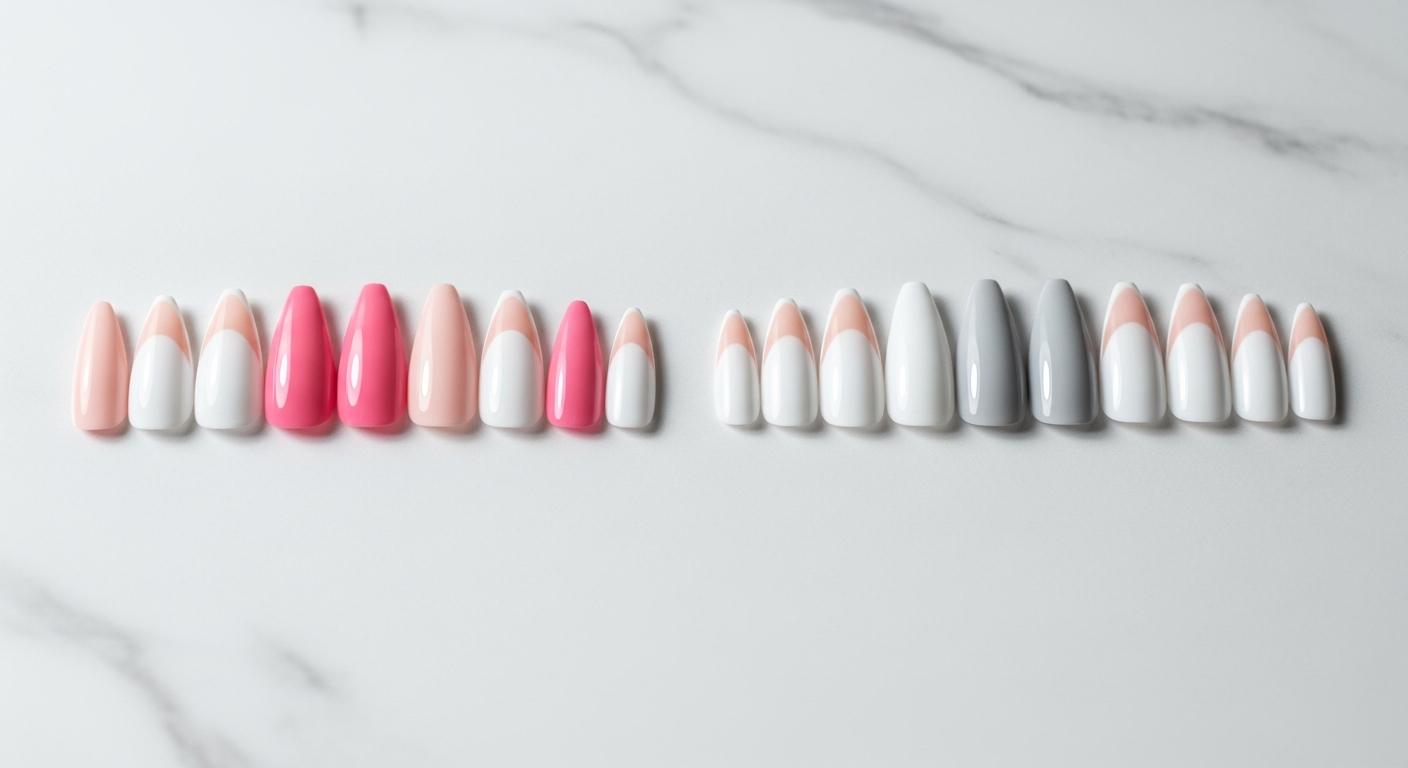
At a glance, almond nails taper gently from the nail bed and round at the tip, much like oval nails with a bit more drama. Coffin nails, also called ballerina nails, narrow at the sides and finish with a flat nail tip, echoing square nails softened at the edges.
This difference matters more than most people expect. Almond nail shape tends to lengthen the look of fingers, especially on shorter nail beds or narrow nail beds. Coffin shape brings structure and balance, often flattering wider nail beds or hands that carry visual weight well.
Visual balance plays a role too. Almond relies on curved lines, while coffin leans on straight edges. That contrast affects not just style, but everyday wear and comfort, which is why clients so often ask their nail technician for one of these two shapes.
Aesthetic Appeal: How Each Shape Translates to Personal Style
Almond shaped nails carry a certain softness. They’re elegant without trying too hard, which explains why they pair beautifully with neutral nail design, sheer gel nails, and classic finishes. If oval nails feel a bit too safe and stiletto nails feel too sharp, almond sits comfortably in between.
Coffin nails, on the other hand, make a statement. The flat edge feels intentional, bold, and modern. Even short coffin nails can look assertive, while longer nails in this shape lean unapologetically glamorous.
Minimal nail art behaves differently on each shape. A nude almond feels timeless. The same shade on coffin shaped nails feels editorial. Intricate nail art, graphic patterns, and edge nails often feel more at home on coffin nails, where the structure frames the design.
Wearability and Daily Function
Here’s where curiosity meets reality. Almond nails distribute pressure across the tip, which often makes them feel forgiving during daily tasks. Typing, buttoning a coat, opening a stubborn jar all of it tends to feel smoother, especially for first-time nail extensions wearers.
Coffin nails place more stress at the corners and free edge. That doesn’t make them impractical, though it does mean you’ll often notice them more during phone use or gripping small objects. Some people enjoy that awareness; others prefer nails that quietly cooperate.
Work environments matter here. Almond and round nails are often easier for everyday wear in hands-on roles, while coffin shape suits settings where visual impact matters as much as function.
Durability and Maintenance Over Time
Durability isn’t just about strength; it’s about how force moves through the nail. Almond shape allows pressure to travel along the curve, which can reduce breakage in most cases. That’s one reason almond nails are often recommended for longer nails.
Coffin nails, especially long nails, concentrate stress at the flat tip. Shorter nails in a coffin shape tend to hold up better. Filing and reshaping during fills is more precise with coffin shape, since symmetry matters more.
Lifestyle habits quietly tip the scales. If you type all day or work with your hands, almond or squoval nails may require fewer rescue appointments. Coffin nails reward mindfulness and consistent maintenance.
Nail Health Considerations Beneath Extensions
Shape alone doesn’t determine nail health, despite popular myths. Still, it influences how stress travels across the natural nail. Almond nails generally support even distribution across the nail plate, which can feel gentler over time.
Coffin shape places more demand on the apex and free edge. With proper application, builder gels, and structured bases, this usually isn’t a problem. Poor removal or overly thin edges, though, can increase the risk of thinning or splitting.
The quiet truth is that nail extensions are only as healthy as the technique behind them. Shape sets the stage; application does the heavy lifting.
Customization Options and Design Flexibility
Both shapes are generous canvases, though they invite different creativity. Almond shaped nails soften French tips, ombré fades, and negative space designs. Matte finishes feel particularly chic here, almost velvety.
Coffin nails thrive with bold nail art. Think geometric patterns, high-gloss finishes, flare nails, or even lipstick nails for those feeling adventurous. The straight edge gives artists room to play.
Season and occasion matter too. Almond often feels right for everyday wear, while coffin shape shines at events, vacations, or moments when style takes center stage.
Choosing the Right Shape for Your Lifestyle
The best nail shape isn’t universal; it’s personal. Consider how often your hands work, not just how they look. Short nails in an almond shape might suit a busy schedule, while longer nails in a coffin shape align with a fashion-forward wardrobe.
Hand proportions matter. Narrow nail beds often look elongated with almond, while shorter nail beds can feel balanced with coffin or square nail styles. Your nail technician’s input is invaluable here; professional shaping makes a noticeable difference.
Ask yourself a simple question: do you want your nails to whisper or speak up?
Common Myths About Almond and Coffin Nail Extensions
One persistent belief is that almond nails are fragile and coffin nails are strong. In practice, gel nails, structure, and nail length matter far more than shape. Another myth suggests coffin nails aren’t professional, while almond always is. Context, grooming, and design matter more.
There’s also confusion between trend-driven choices and the right nail shape for an individual. Popular nail shape doesn’t always mean perfect nail shape for your hands or habits.
Whether you lean toward almond, coffin, stiletto shape, square nails, round nail styles, or even squoval nails, comfort and nail health deserve equal attention. Style is the joy. Wearability is the quiet foundation that lets that joy last.
Sometimes the smallest details like the curve of an almond or the edge of a coffin tell the biggest story. And your hands, after all, are always in the frame.