


How to Repair Over-Filed Nails and Restore Strength Naturally
A funny thing happens when nails get too smooth. They stop behaving like nails. They bend, they peel, they snag on sweaters at exactly the wrong moment. Most people don’t notice the problem right away. It often shows up weeks after a gel manicure, an acrylic nail removal, or a well-intended at-home buffing session that went a little too far.
If you’re dealing with damaged nails, weak nails, or that papery, brittle nail feeling, you’re not alone. Over-filing is one of the most common forms of nail damage I see, both in the nail salon and at home. The good news is that nail repair is possible, and in most cases, it doesn’t require aggressive products or complicated routines. It requires patience, protection, and a little respect for how the nail plate actually works.
Understanding Over-Filed Nails: What’s Really Happening
The natural nail is made of compacted nail cells arranged in layers, almost like shingles on a roof. When filing becomes aggressive, especially on the surface, those nail layers thin unevenly. The result is a fragile nail that bends too easily and splits under pressure.
Edge shaping is different from surface filing. Shaping focuses on the free edge of the nail, while surface filing removes material from the nail plate itself. Over time, repeated friction from coarse files, electric files, or improper gel nails and acrylic nails removal wears down the structure that gives nails their strength.
You’ll often notice over-filed nails look flat, overly matte, or slightly translucent. They may feel flexible but tear easily. This is different from a brittle nail caused by a nutritional deficiency or general nail health issues. Repeated gel manicure removal, especially when combined with soaking in nail polish remover and scraping, increases the risk significantly.
Common Mistakes That Keep Nails Weak
Most nail damage isn’t caused by one dramatic mistake. It’s the small habits repeated over time. Using a coarse-grit file designed for acrylic nail enhancement on a natural nail is a common culprit. So is filing back and forth, which creates micro-tears along the edge.
Buffing ridges too often for a smooth look can thin the nail plate faster than expected. Treating peeling or split nails by filing them thinner only compounds the problem. Skipping recovery time between manicures, whether regular nail polish or gel nail polish, keeps the nail from rebuilding its internal bonds.
Even well-meaning nail technicians sometimes over-file when chasing a flawless finish. Nails remember everything done to them, even when they look fine at first.
Giving Nails a Break: The Reset Phase
There is something quietly powerful about bare nails. A reset phase allows the nail matrix, where nail growth begins, to produce healthier nail cells without constant interference. In most cases, visible improvement starts around three to four weeks, with full regrowth taking several months.
Healthy nail growth during recovery looks subtle. Less peeling. Fewer broken nail moments. A slightly thicker feel near the nail bed as new growth emerges. Trimming is better than shaping during this phase, since it places less stress on fragile nails.
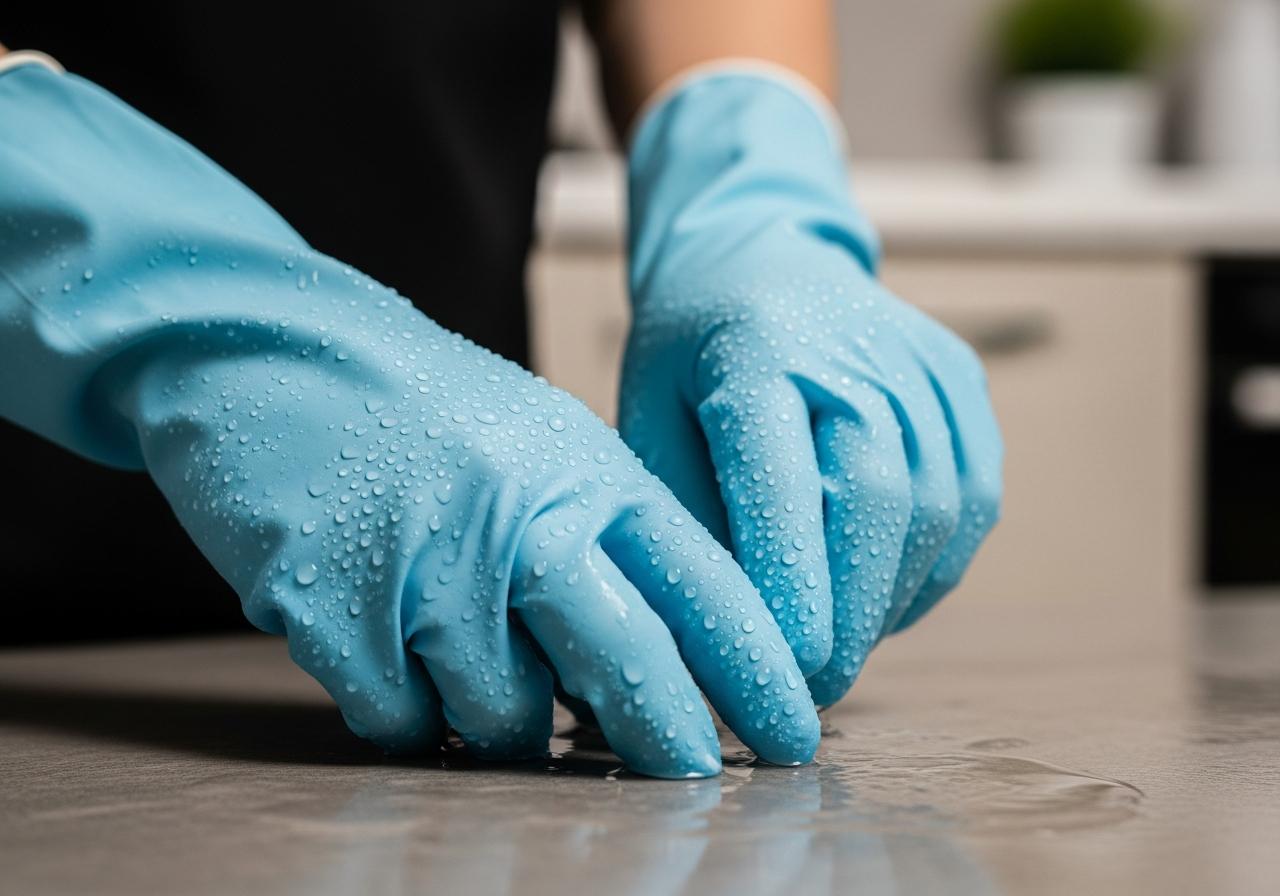
Daily protection matters more than people expect. Gloves during cleaning, mindful typing, and avoiding using nails as tools all reduce ongoing damage.
Natural Oils and Treatments That Support Repair
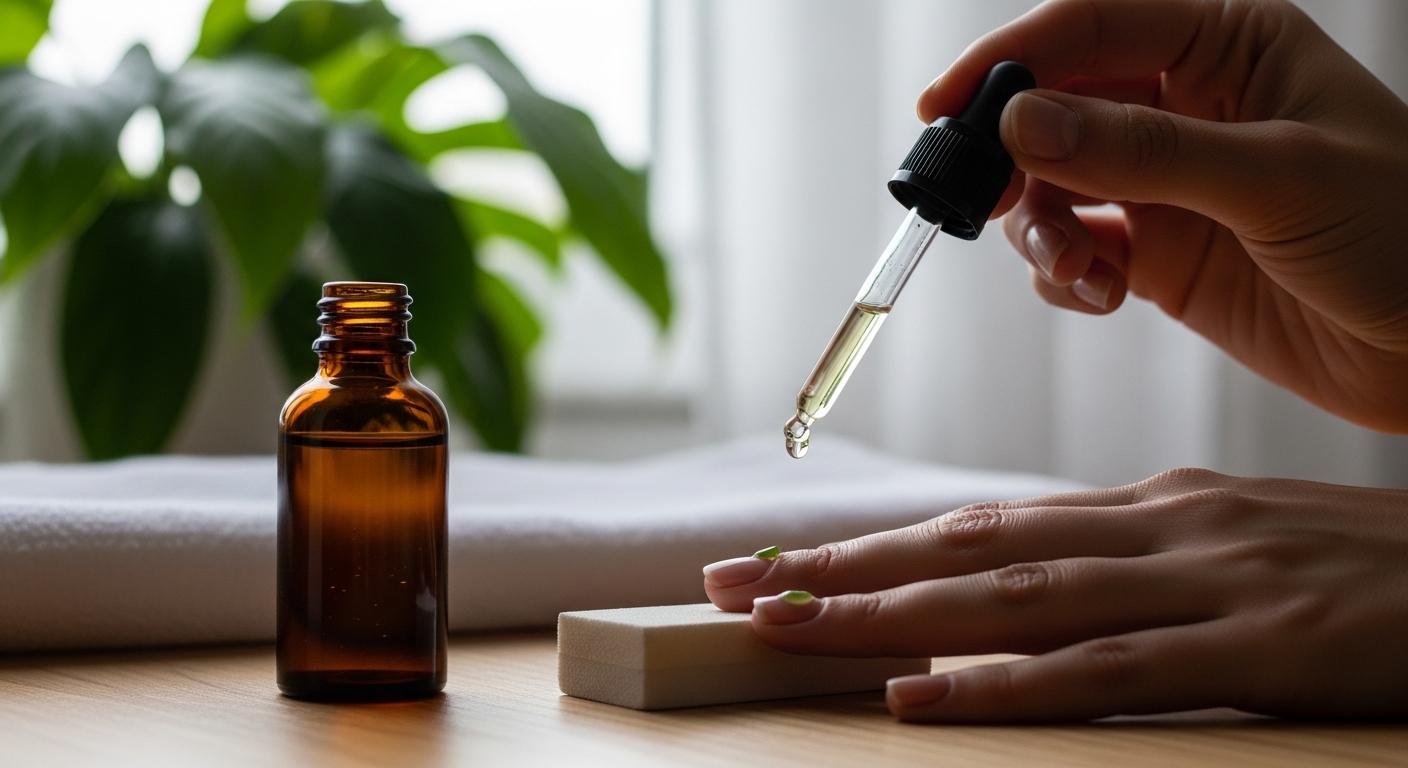
If nails had a favorite food, it would be oil. Jojoba oil is particularly helpful because its structure resembles natural skin oils, allowing it to slip between nail layers and improve flexibility. Vitamin E supports surface smoothness and comfort, especially when the cuticle area feels tight.
Consistent use of cuticle oil reduces split nails and supports the surrounding skin, which influences nail health more than most people realize. Overnight oil treatments, followed by cotton gloves, create a low-effort recovery ritual that works quietly while you sleep.
Product variety matters less than consistency. One good oil used daily outperforms five forgotten bottles under the sink.
Strengthening Without Hardening the Nail
Nail strength and nail stiffness are not the same thing. Overly hard nails crack instead of flexing, which leads to broken nails at the worst times. A nail strengthener should support resilience, not turn the nail into brittle glass.
Some protein treatments help when nails are weak due to overexposure to water or polish remover. Others can cause harm if used continuously on already rigid nails. Alternating strengthening care with hydration keeps the balance intact.
Nail hardener formulas should be used sparingly and paused at the first sign of increased brittleness.
Filing Smarter When Nails Are Fragile
During recovery, fine-grit files or glass files are kinder to damaged nail edges. Filing in one direction, at a gentle angle, reduces stress on weakened nail layers. In many cases, filing once every two weeks is enough.
There is a point where filing should stop altogether. If the nail edge feels soft or fuzzy, trimming is safer. Signs that nails are ready for gentle shaping again include reduced peeling and a smoother free edge.
Filing should feel controlled and minimal, not like sanding wood.
Daily Habits That Influence Nail Health
Frequent hand washing and hot water strip moisture from both skin and nails. Household cleaners compound the effect, making gloves a nail care essential, not an afterthought. Nails often mirror skin health, so dryness shows up everywhere.
Nutrition plays a quiet role. Nail growth relies on adequate protein, minerals, and overall balance. A nutritional deficiency may slow recovery or increase brittle nails, though supplements are not always necessary.
Hydration, gentle soap, and mindful habits create a supportive environment for repair.
Long-Term Nail Care That Prevents Repeat Damage
Sustainable nail care favors low-impact routines. Rotating nail polish, treatments, and bare nails gives the nail plate time to recalibrate. A base coat under regular nail polish reduces staining and dehydration.
Setting limits on salon services, electric files, and aggressive removal protects long-term nail strength. Nail glue has its place for emergencies, but frequent reliance signals deeper issues.
Healthy nails are built gradually. When nails ask for rest, listening early prevents repeating the cycle of damage and recovery.
Repairing over-filed nails and restoring strength naturally is less about fixing something broken and more about creating the conditions for healthy nail growth to resume. Nails are remarkably forgiving when given half a chance.