


Russian vs. Classic Manicure: Why This Choice Feels Bigger Than It Looks
A funny thing happens when you sit at a nail salon and casually ask for a manicure. The nail technician pauses, smiles politely, and asks a follow-up question that suddenly feels important: “Russian or classic?” In that moment, you realize this isn’t just about nail polish. It’s about technique, nail health, comfort, and how you want your hands to look and feel for weeks to come.
The conversation around russian vs. classic manicure: key differences benefits and which one to choose has grown louder, partly thanks to social media and partly because people are paying closer attention to their natural nail and skin. So let’s slow it down, take a breath, and talk through both options with clarity, curiosity, and a little realism.
Understanding the Two Manicure Styles
A classic manicure, sometimes called a regular manicure or traditional manicure, is what many of us grew up with. It involves soaking the nails, softening the cuticle, gentle trimming, nail shaping, and polish application. The traditional method values comfort, hydration, and routine nail care.
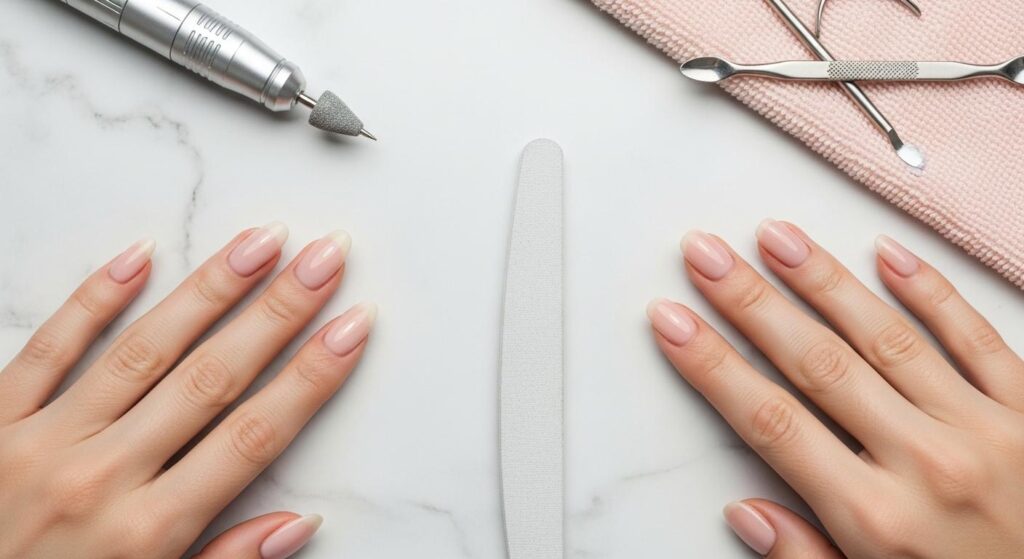
A russian manicure, by contrast, comes from Eastern European nail training systems and leans heavily on precision. The russian method uses a dry manicure approach with specialized tools and an e file manicure technique. Nail technicians trained in the russian manicure technique focus intensely on the nail plate, nail bed, and cuticle area.
Both styles require skill, though the training paths differ. A skilled technician trained in russian manicure prep often spends years refining hand pressure and tool control. A classic manicure technician is trained to prioritize skin comfort and safe, familiar technique. Different philosophies, different appeal.
How Cuticle Care Sets Them Apart
Cuticle care is where these two approaches really part ways. In a russian manicure, the cuticle is treated using a dry technique, meaning no soaking. Electric drill bits gently remove excess cuticle and refine the nail surface for a clean, sharp edge.
A classic manicure softens the cuticle with water, creams, or oils before trimming or pushing it back. This can feel more relaxing, especially for sensitive skin. The result is a softer look that still supports healthy nails.
That ultra-clean polish line you see in russian gel manicure photos? That comes from meticulous cuticle work. Still, for compromised cuticles or thin skin, a traditional manicure often feels safer and more forgiving.
Tools, Products, and Application Methods
The tools tell a story. Russian manicures rely on specialized tools, including fine diamond bits and an electric file. Precision matters here, and comfort depends heavily on the nail technician’s control.
Classic manicures use manual tools, soaking bowls, creams, and oils. Prep time may feel slower, though many people enjoy that pace. There’s something grounding about warm water and hand massage.
Sanitation matters in every nail salon, whether you’re visiting mars nails, a zah inspired studio, or a boutique space curated by artists like Tiffani Blú or Mia Deluca. Clean tools and proper technique protect both nail health and skin.
Finish, Wear Time, and Visual Results
Russian manicures are known for their crisp finish. Polish application, especially with gel manicure or hard gel, sits extremely close to the cuticle. This creates the illusion of longer wear and slower nail growth.
A classic manicure delivers a softer, familiar finish. Nail polish doesn’t hug the cuticle quite as tightly, though many people prefer that natural look. Growth shows sooner, though it often appears gentler.
Both styles work with regular gel manicure, gel overlay, or nail art. The difference lies in how sharp or subtle you want the final effect to be.
Skin Health and Nail Integrity Considerations
When done correctly, precise cuticle removal in a russian manicure can support polish adhesion and smoother nail shaping. Still, over-filing is a real risk with advanced technique, especially on a fragile nail surface.
Classic manicures support nail health through hydration and reduced friction. For clients rebuilding healthier nails or recovering from damage, this can be a steady choice.
The truth is simple and a bit boring: technique matters more than the label. A skilled technician can protect the natural nail in either method, while rushed work can cause issues in both.
Maintenance, Aftercare, and Lifestyle Fit
Russian manicures often last longer between salon visits, partly because of precise nail shaping and polish adhesion. Cuticle oil becomes essential at home to keep skin flexible.
Classic manicures may need refreshing more often, though they fit easily into low-maintenance routines. Regular hand cream, gentle nail care, and mindful habits go a long way.
If your hands are in water all day, or you type nonstop, lifestyle matters. No manicure exists in a vacuum, no matter how perfect the nails look leaving the salon.
Common Myths About Russian and Classic Manicures
One common belief is that russian manicures are always damaging. That’s not accurate. Damage usually comes from pressure, speed, or lack of training, not the russian technique itself.
Another myth suggests the classic manicure is outdated. Hardly. The traditional manicure remains a gold standard for nail care, especially for clients prioritizing comfort and skin health.
Social media loves extremes. Reality lives somewhere calmer, shaped by technician skill, client needs, and honest consultation.
Choosing the Right Manicure for Your Nails
Choosing between a russian manicure and a classic manicure starts with your nail condition, skin sensitivity, and daily habits. Are your cuticles resilient or reactive? Do you prefer ultra-clean lines or a softer finish?
A russian manicure may suit those who love precise nail shaping, long-lasting gel, and immaculate polish application. A classic manicure often makes sense for sensitive skin, frequent changes, or routine nail care.
The best choice usually comes from conversation. A thoughtful nail technician will look at your nail plate, nail bed, and cuticle care needs before recommending a method. Comfort, trust, and nail health should guide the decision, every time.
Perfect nails aren’t about trends. They’re about care, consistency, and choosing what supports your hands in the long run. And that choice, quietly, can feel surprisingly empowering.