


The Bridal Beauty Timeline: Why Timing Matters
Somewhere between booking the wedding planner and tasting the wedding cake, many brides have a quiet realization: the face in the wedding photos will live a very long life. Longer, in fact, than the wedding dress trends, the bridesmaid dresses, or even the wedding reception playlist. And that’s when questions about skin, makeup, and timing suddenly feel very real.
A bridal makeup timeline isn’t about control for control’s sake. It’s about understanding how skin works. Skin renews itself in cycles, roughly every 28 to 40 days for most adults, which means what you do 30 days before the wedding quietly shapes how makeup sits on the wedding day.
Last-minute fixes sound tempting, but they rarely outperform steady beauty prep. When skincare, makeup trials, and professional wedding services are aligned early, the wedding day beauty timeline feels calmer. Stress levels drop, sleep improves, and even the makeup artist notices the difference.
The goal, in most cases, isn’t “perfect skin.” It’s healthy, balanced skin that holds makeup comfortably from ceremony to pre ceremony photos to wedding reception. That’s a realistic expectation, and a very good one.
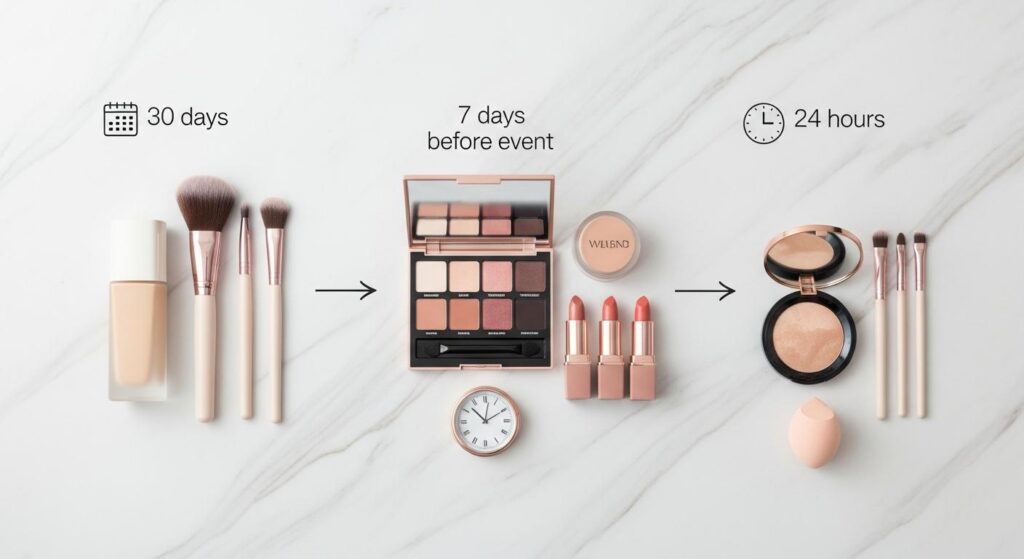
30 Days Before: Building the Skin Foundation
Thirty days out is when the real work happens, quietly and without drama. This part of the makeup timeline focuses on consistency rather than intensity.
A simple routine gentle cleansing, moisturizing, and daily sun protection sets the tone. Barrier repair and hydration matter more than aggressive treatments, especially if glowing skin is the goal. Think of your skin barrier like a well-fitted wedding dress: supportive, not restrictive.
Gentle exfoliation once or twice a week can improve texture and help makeup apply more evenly. This is not the time for new acids, peels, or experimental tools. If a product hasn’t already earned your skin’s trust, it can wait until after the wedding.
If you’re booking facials, a dermatologist visit, or stopping by a hair salon that offers skin services, schedule them early enough to allow recovery time. Nutrition and hydration matter here too. Water, balanced meals, and sleep quietly support skin tone more than most serums.
Makeup Trials and Product Testing (30–21 Days Out)
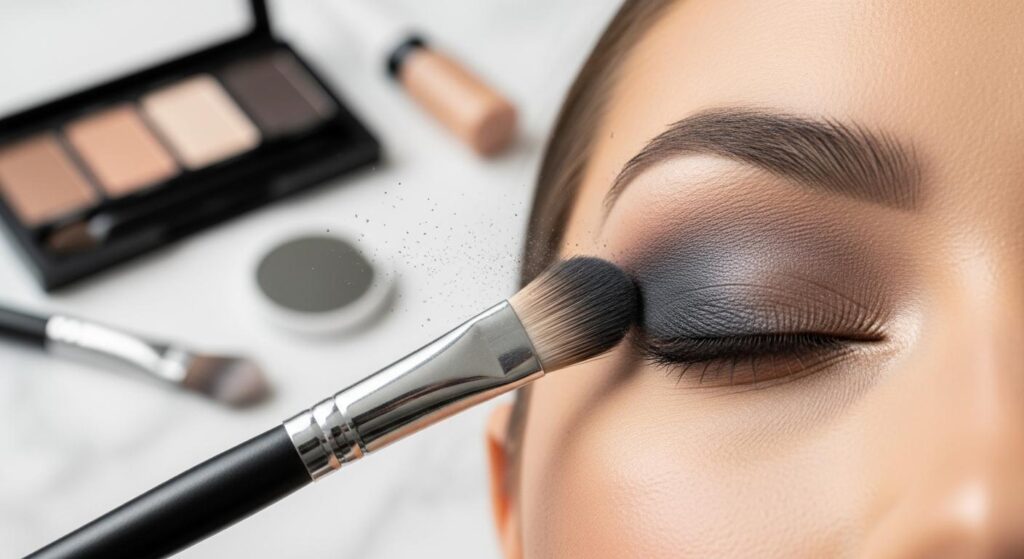
This window is prime time for the makeup trial. A good makeup artist treats this like a dress rehearsal, not a quick run-through.
Foundation shades should be tested in natural light and with flash photography, since wedding photos can reveal undertones the mirror misses. Wear the makeup for several hours, ideally through normal life errands, coffee, a bit of stress to see how it holds.
This is also when skin reactions show up. Congestion, irritation, or dry patches offer useful feedback. Makeup finish should match both skin type and wedding style, whether you’re leaning toward natural beauty or full glam.
Small skincare tweaks often improve makeup grip and comfort. Sometimes it’s less product, not more. The beauty timeline rewards restraint.
7 Days Before: Refining and Maintaining Skin Balance
Seven days before the wedding, routines simplify. This is not the moment for bold choices.
Focus on calming and hydrating ingredients. Think ceramides, glycerin, and familiar formulas that your skin already likes. If a breakout appears, minimal intervention works better than panic layering.
Harsh exfoliants, peels, or new actives can disrupt the skin barrier and create texture that makeup struggles to hide. Sleep and stress management matter now more than ever, especially with travel time, destination wedding logistics, and the entire timeline speeding up.
Consistency here protects the work you’ve already done.
Hair Removal, Brows, and Lashes: Timing It Right
Hair removal deserves its own spot on the wedding day timeline because inflammation and makeup do not get along.
Waxing, threading, or dermaplaning usually works best five to seven days before the wedding. Brows benefit from a similar schedule, allowing redness to settle before bridal portraits.
Lash lifts, extensions, or false lash trials should happen early enough to adjust length, curl, or comfort. Even bridesmaids often appreciate this planning, especially when multiple services overlap on wedding morning.
After hair removal, gentle soothing steps cool compresses, fragrance-free moisturizers help skin recover smoothly.
24 Hours Before: Skin Prep, Not Skin Experiments
The day before the wedding is about familiarity. This is not the time for experiments.
Gentle cleansing, deep hydration, and trusted products keep skin calm. If you love a certain sheet mask or calming serum, this is when it earns its place.
Avoid tools that cause redness or swelling. Lips and under-eyes benefit from extra moisture so lip color applies evenly and concealer doesn’t crease.
Create a calm evening routine, even if the bridal party energy is buzzing. Skin repairs itself while you sleep, and extra time in bed counts.
Wedding Morning: Makeup-Ready Skin
Wedding morning moves fast. A clear wedding day beauty timeline helps everyone breathe.
Start with clean, balanced skin and lightweight hydration. Heavy creams can cause slipping, especially when primers and makeup layer on top.
Understanding how primers interact with skincare saves time. Spot-concealing often looks better than heavy foundation, particularly under the eye of a wedding photographer.
Comfort-first choices matter. Makeup should feel good through the ceremony, pre ceremony photos, and wedding reception, not just look good for 30 minutes.
Common Bridal Beauty Myths That Create Stress
One persistent myth is that perfect skin is achievable if you just try hard enough. In reality, healthy skin supports makeup far better than chasing flawlessness.
Another myth suggests more products equal better results. Often, the opposite is true. Heavy makeup doesn’t always photograph better, especially when skin texture is emphasized.
Trends come and go, but preparation works. Trusting your beauty team, allowing ample time, and respecting your skin’s limits creates a smoother wedding morning.
The best bridal beauty timeline leaves room for joy. After all, the wedding is one day, but feeling like yourself in those wedding photos is something you’ll appreciate for years.