



How to Choose the Right Foundation: Undertone, Texture, Coverage, and Finish Explained
At some point, almost everyone has owned a foundation that looked perfect in the bottle and slightly… off on the face. Too yellow. Too pink. Too heavy by noon. It’s a quiet frustration, the kind that makes you wonder whether the perfect foundation shade is a myth invented by makeup artists with supernatural lighting.
In most cases, the problem isn’t your skin tone or your skill. It’s that foundation is a wearable layer that reacts to skin, light, movement, and even mood. Once you understand how undertone, skin texture, coverage, and foundation finish work together, choosing the right foundation starts to feel far more intuitive and far less mysterious.
Why Foundation Choice Is About Skin, Not Just Shade
Foundation doesn’t sit on top of skin like paint on a wall. It warms up, mixes slightly with natural oils, and shifts as the day goes on. That’s why the best foundation is often less about chasing a single right shade and more about how the formula behaves on your skin type.
Dry skin, oily skin, combination skin, and mature skin all interact differently with foundation. A liquid foundation that looks luminous on one person may slide off another by lunchtime. Seasonal changes, skincare routine shifts, even stress levels can alter how a foundation color settles.
You’ll often find that the right foundation changes over time. The goal isn’t perfection forever. It’s comfort, balance, and a natural skin tone that still looks like you.
Understanding Skin Undertones: The Quiet Driver of a Natural Match
Surface tone is what you see at a glance light skin tone, dark skin tone, or something in between. Skin undertone is subtler. It’s the underlying color that influences whether a foundation shade blends seamlessly or turns slightly gray, orange, or flat.
Most skin undertone categories fall into warm undertone, cool undertone, neutral undertone, and olive. Warm undertones often lean golden or peach. Cool undertones may show pink or red. Neutral undertones sit somewhere in the middle, while olive undertones carry a muted green cast that’s often overlooked.
The jewelry test can be a helpful clue. Gold tends to flatter warm undertones, silver often suits cool undertones, and both can work on neutral undertones. Vein color, natural flushing, and how your skin reacts to sun exposure also offer hints.
A mismatch in undertone doesn’t always look “wrong” immediately. It often shows up as uneven skin tone, dullness, or makeup that never quite settles. Getting skin undertone right brings harmony to the whole makeup routine.
Texture Matters: Matching Formula to Skin Type and Condition
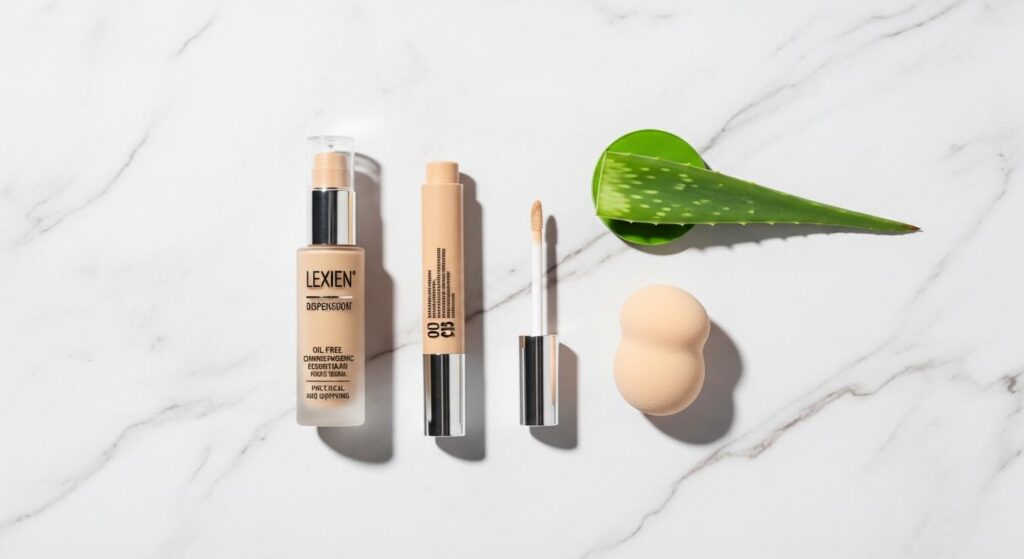
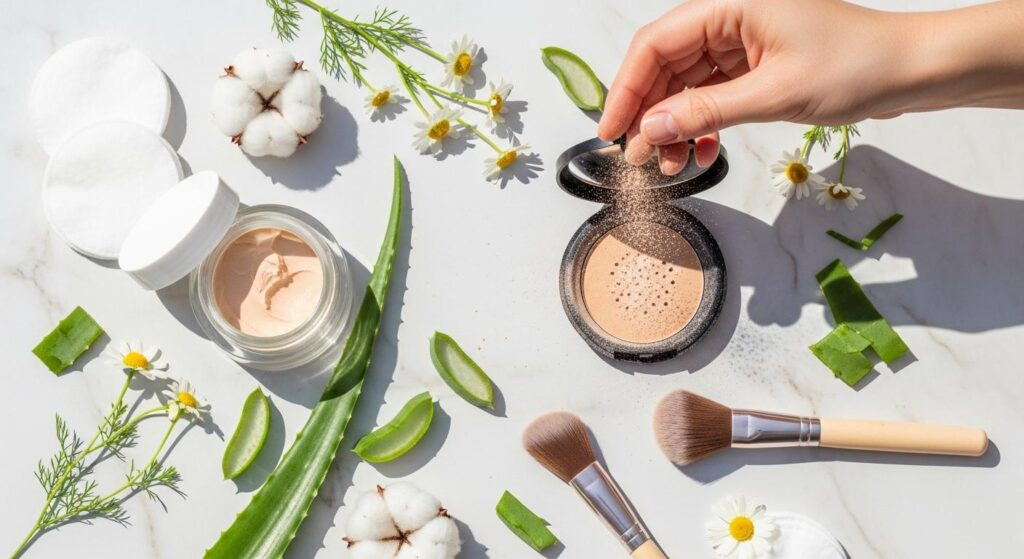
Texture is where foundation becomes personal. Liquid foundation, powder foundation, sticks, creams, and serum formulas all behave differently on skin texture.
Dry skin and mature skin usually respond well to lighter, flexible formulas that move with the face. Oily skin often prefers textures that set without feeling tight. Combination skin may need a balance something that controls shine without clinging to dry areas.
A tinted moisturizer or serum foundation can look remarkably skin-like, especially when uneven skin tone is mild. Heavier textures can emphasize pores or fine lines if they aren’t suited to your skin’s natural rhythm.
A useful test: if a foundation feels noticeable on your face after an hour, it may be working against your skin rather than with it.
Coverage Levels: From Sheer to Full and Everything Between
Coverage used to mean hiding everything. Modern foundation thinks differently. Coverage now is about evening tone while letting skin color show through.
Sheer coverage softly balances redness and minor discoloration. Medium coverage helps smooth uneven skin tone while still looking natural. Full coverage has its place, especially for events or camera work, but it performs best when applied thoughtfully and flexibly.
Full coverage doesn’t have to feel heavy. Thin layers, targeted concealer, and smart shade matching often look more polished than one thick application. Sometimes the perfect foundation match is about restraint, not intensity.
Finish and Light Reflection: How Skin Appears, Not Just Feels
Foundation finish changes how light moves across the face. Matte foundation absorbs light, which can minimize shine but also emphasize dryness. Radiant and dewy finishes reflect light, creating softness and dimension.
Natural and satin finishes tend to sit in the middle, mimicking real skin texture. They’re often forgiving across different skin types and lighting conditions.
Finish affects how pores, fine lines, and skin texture appear. Choosing based on comfort rather than trends usually leads to better results. A foundation finish that feels good tends to look good too.
Skincare Inside Foundation: Ingredients That Influence Performance
Many foundations now include hydrating agents, barrier-support ingredients, or oil-control components. These can support wear and comfort, especially when paired with the right skincare underneath.
Hydration helps foundation stay flexible. Oil-control ingredients can keep foundation color stable through the day. That said, skincare-infused makeup isn’t a replacement for skincare. It’s a support act, not the headline.
Pay attention to how your skin responds over time. If a foundation consistently leaves skin tight or congested, the formula may not suit your needs, even if the shade looks right.
Prep and Application: Helping Foundation Perform at Its Best
Cleansing and hydration set the stage. Foundation adheres better to balanced skin, regardless of skin type. Oily skin still benefits from hydration; dry skin often needs a few minutes for moisturizer to settle.
Primer can help, though it isn’t mandatory. Sometimes a well-chosen moisturizer does the job. Tools matter too. Fingers warm product into skin. Sponges sheer coverage. Brushes build it.
Rushing application or layering too quickly can cause separation or fading. A little patience goes a long way toward a perfect foundation shade staying true.
Common Foundation Myths That Lead to Poor Results
One persistent myth is that full coverage always looks more polished. In reality, the best foundation often looks invisible.
Oxidation isn’t only about shade. It can relate to skin chemistry, oil production, or even skincare underneath. Another misconception is that oily skin should avoid hydration, which often leads to more oil and less stable makeup.
Chasing different shades based on trends extra matte one year, ultra-dewy the next can work against real skin needs. The right foundation supports your natural skin tone, skin texture, and lifestyle, whether you’re wearing a pro filter foundation, a powder foundation, or a simple tinted moisturizer.
When foundation works, you stop thinking about it. That quiet confidence is usually the sign you’ve found your right foundation, your right shade, and a makeup approach that respects your skin.