


Makeup for Flash Photography: How to Avoid Flashback and Look Smooth in Photos
A makeup artist friend once told me her least favorite sound isn’t a siren or an alarm. It’s the sharp little pop when a camera flash fires at a wedding makeup trial. Not because of the noise, but because that flash has a habit of revealing truths the bathroom mirror politely ignores. The skin tone that looked even five minutes ago? Suddenly pale. The flawless makeup? Questionable. The dreaded flashback has entered the chat.
Makeup for flash photography is its own quiet discipline. It lives somewhere between skin health, makeup technique, and understanding how light behaves when it hits a real human face. Let’s talk about why flash photography changes everything, and how to avoid flashback while still looking like yourself, just smoother.
Why Flash Photography Changes How Makeup Looks
Flash photography doesn’t behave like natural light or ambient light. It’s blunt. It hits the skin, bounces straight back into the camera, and exaggerates whatever sits on the surface. Texture, uneven shade, powder buildup, all of it becomes visible.
This is why makeup that feels flawless indoors can look oddly pale or uneven in a flash photo. Camera flash flattens dimension and reflects off smooth or reflective ingredients. Skin that’s prepped thoughtfully tends to scatter light more evenly, which helps the camera see softness instead of contrast.
Understanding light is the quiet makeup hack here. Flash isn’t your enemy, but it does ask for cooperation.
Flashback Explained: What It Is and What Causes It
Makeup flashback shows up as a white or gray cast on the face, often strongest under the eyes, around the nose, or wherever concealer and setting powder are layered. It’s not a makeup mishap caused by shaky hands. It’s chemistry.
Ingredients used for sun protection, especially certain mineral filters, reflect light very efficiently. That’s great for SPF. Under a direct flash, though, they can bounce light straight back at the camera. SPF flashback is especially common in high-SPF base makeup, eye concealer, and translucent powder.
Layering plays a role too. Multiple reflective products stacked together amplify the effect. This is why everyday makeup products don’t always behave well on a red carpet, in wedding makeup, or during film and photography sessions.
Skincare Prep That Makes or Breaks Photo-Ready Makeup
Skin prep quietly determines how makeup photographs. Clean skin with a balanced barrier gives makeup a calm surface to sit on. Overly slick or overly dry skin tends to reflect flash unevenly.
Hydration matters, but heavy occlusives can interfere with makeup application under camera flash. You’ll often find that lightweight creams, layered thoughtfully, create a smoother background for makeup products.
Timing helps. Giving skincare a few minutes to settle before makeup reduces slippage, shine, and that strange glow that flash loves to exaggerate.
Choosing the Right Base Products for Flash Photography
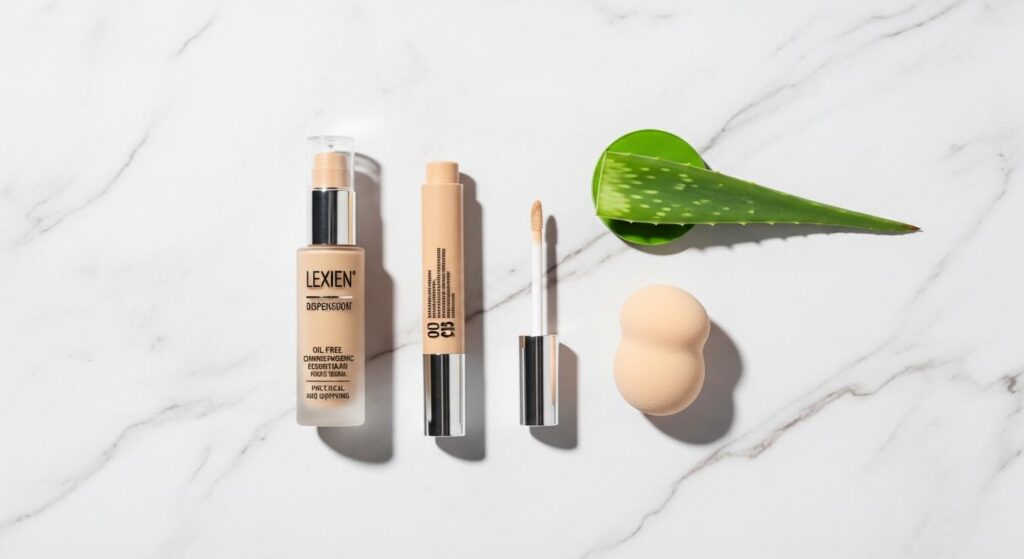
Foundation and concealer choices matter more under flash photography than in daily wear. Products that mimic real skin under bright light usually have a natural or soft satin finish, not ultra-matte and not overly luminous.
High SPF foundations can create uneven tone in photos, especially under direct flash. Sun protection is still important, but many makeup artists separate SPF from foundation for flash-heavy events.
Shade accuracy is another quiet trap. Store lighting lies. A shade that matches in natural light is more likely to photograph well than one chosen under harsh indoor bulbs. Lightweight layers beat thick coverage almost every time.
Powders, Setting Products, and the Flash Factor
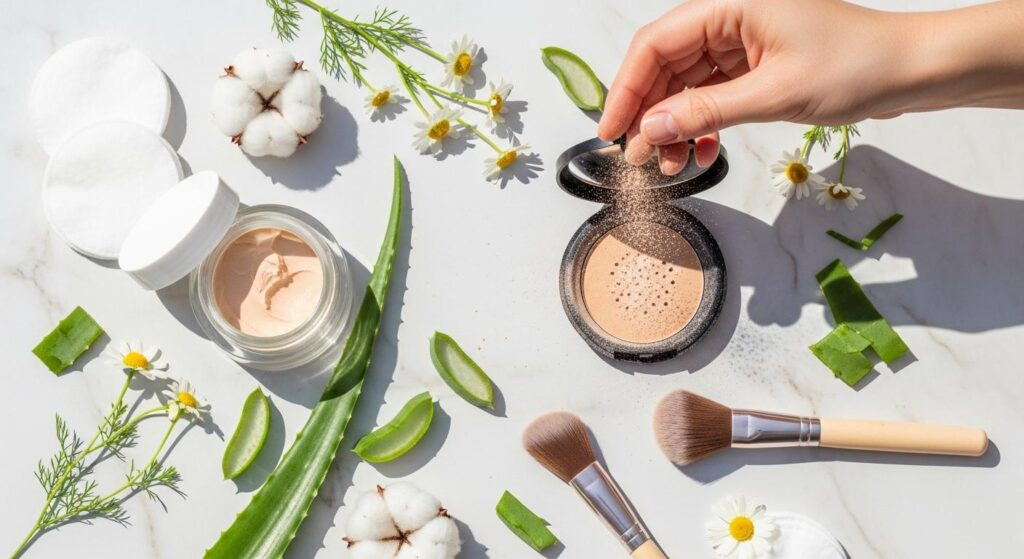
Translucent powder is often the main suspect behind makeup flashback. Many formulas look invisible in person but read white on camera. Ingredient cues like silica-heavy blends or mineral reflectors can increase risk.
Pressed powders usually behave more predictably than loose ones, though placement matters most. Strategic powder center of the face, around the nose, maybe the chin keeps skin realistic.
The goal isn’t zero shine. It’s controlled light. Setting spray can help soften powdery edges and reduce the chalky look flash tends to highlight.
Texture, Layers, and the Illusion of Smooth Skin
Flash photography highlights buildup the way morning sun reveals fingerprints on a window. Fine lines, pores, and texture become more visible when makeup sits thickly on the skin.
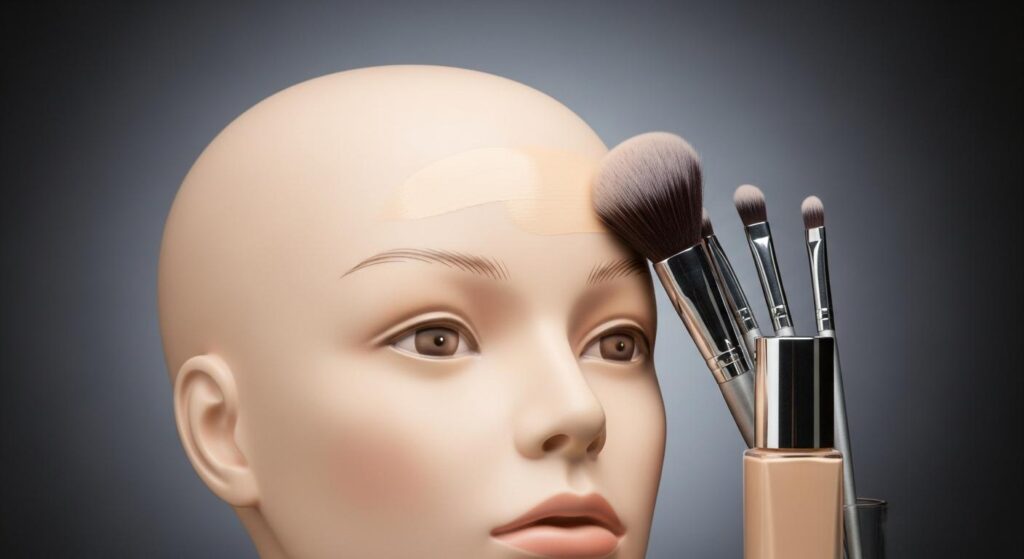
Thin layers matter. Cream blush, cream bronzer, and cream base products move with the face, which helps during flash photography. Powder has its place, but restraint pays off.
Skin-focused formulas tend to flex with expression, especially around the eyes and lip area. Less product often looks more like flawless makeup on camera.
Common Myths About Photo Makeup That Don’t Hold Up
One persistent myth says heavier makeup photographs better. In reality, heavy coverage can emphasize texture and create contrast under flash.
Another belief is that matte finishes guarantee smooth results. Matte can work, but overly matte skin often looks flat or dry in photos. Filters can help, but photographers will tell you they can’t fully erase flashback or poor product choices.
Healthy skin habits usually matter more than trends, even on film or a flash photo.
Building a Flash-Friendly Routine That Works Long Term
The most reliable approach treats makeup as an extension of skincare, not a mask. Consistent routines improve how makeup photographs over time, especially across different lighting setups and backgrounds.
You don’t need a full overhaul for every event. Small adjustments different setting powder, lighter concealer under the eyes, skipping SPF-heavy base products go a long way.
Whether it’s a wedding makeup look, a night out with photographers, or a casual flash photo with friends, confidence grows when you know your makeup supports your skin, not fights it.
Even lashes, blush placement, and lip texture read differently under flash. Paying attention to how light behaves helps you choose essential makeup products wisely, no copy shortlink or gimmick required.
Flash photography asks for awareness, not fear. When makeup, skin type, lighting, and camera work together, the result feels easy. And that little pop of flash? It stops being a threat and starts feeling like proof you’re ready.