


Makeup for Mature Skin: How to Get a Lifted, Fresh Look Without Heavy Layers
A few years ago, backstage at a small photo shoot, a makeup artist friend leaned over and whispered, “The goal isn’t to hide age. It’s to keep skin looking awake.” That sentence stuck. Because in most cases, mature skin doesn’t need more makeup. It needs smarter makeup. The kind that respects skin tone, texture, and comfort, and still leaves room for a youthful glow.
If you’ve ever looked in the mirror after applying what used to work perfectly and thought, why does this feel heavier now?, you’re not alone. Older skin changes, and makeup needs to change with it. Let’s talk about how to get that lifted, fresh look without piling on layers.
Understanding Mature Skin: What Changes and Why It Matters
Mature skin goes through quiet shifts. Collagen production slows, elasticity softens, and hydration levels dip to some degree. These changes affect how makeup sits, moves, and wears throughout the day.
Cell turnover also slows, which can dull radiance and increase visible texture or wrinkles. Add sensitive skin or a weakened skin barrier, and suddenly heavy makeup behaves like an uninvited guest, settling into fine lines and dark spots instead of smoothing them.
The key is cooperation. Working with aging skin, not against it, allows makeup to look lighter, brighter, and more natural.
Skincare as the Base: Preparing Skin for Better Makeup Results
Great makeup often starts with skincare. A gentle cleanser keeps dry skin and oily skin balanced without stripping comfort. Think of it as clearing the canvas, not scrubbing it raw.
Hydration is the real secret weapon. A well-chosen moisturizer, maybe one with shea butter or barrier-supporting ingredients, helps foundation and concealer glide instead of cling. This matters even more for sensitive skin.
Exfoliation can help texture, though careful is better than aggressive. Consistent skincare habits often reduce redness and the need for medium coverage products later. Less correction, more confidence.
Rethinking Coverage: Light Layers Over Thick Formulas
Thick foundation promises perfection but often delivers creasing. Fine lines around the eye or mouth become more visible when covered too heavily.
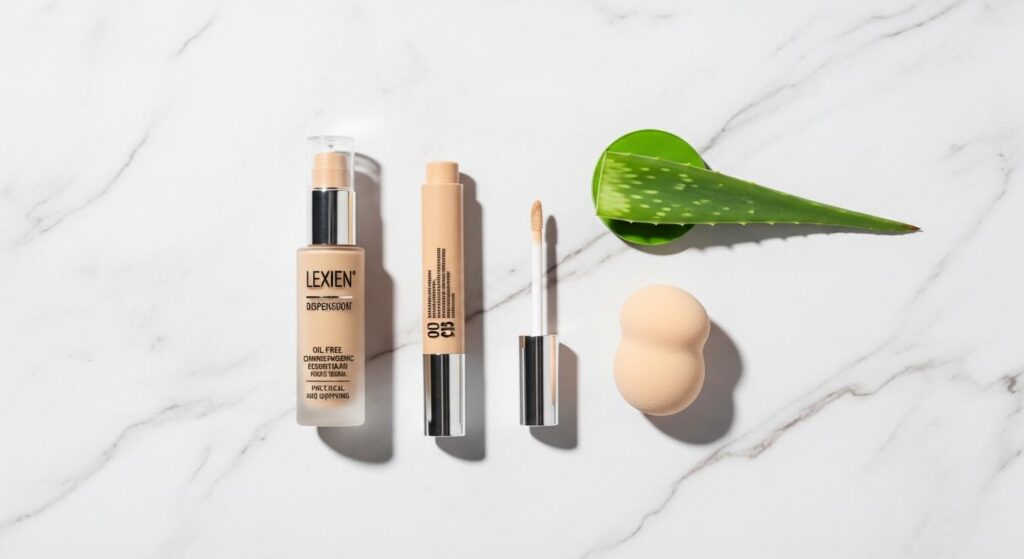
Sheer to medium coverage formulas, like a tinted moisturizer, bb cream, or light foundation, flex with skin. Targeted concealer under dark circles or over redness works better than masking the entire face.
Spot-correct where it helps your comfort level, and let skin show through elsewhere. Makeup for mature skin shines when it supports, not conceals, natural texture.
Complexion Products That Create a Lifted Look
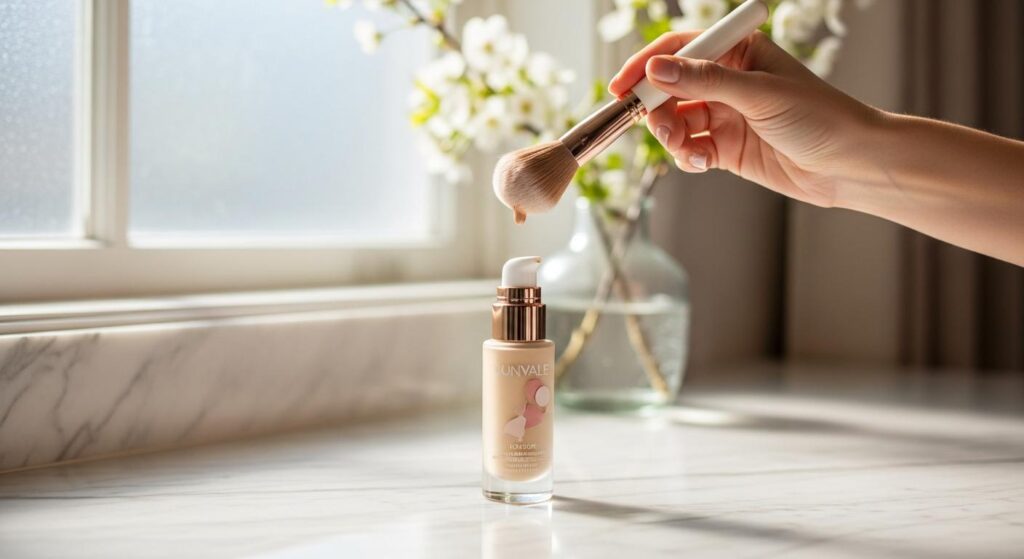
Foundations with skin-comfort ingredients and a radiant finish tend to flatter aging skin. Satin or soft-luminous textures reflect light gently, avoiding that flat look.
Blush placement makes a visible difference. A cream blush tapped slightly higher on the cheek creates lift without contour drama. Cream formulas move with facial expressions better than heavy powder.
A touch of warmth, even subtle, brings life back to skin tone. The goal isn’t glow everywhere, just enough to suggest healthy circulation.
Eye Makeup That Opens and Softens the Eye Area
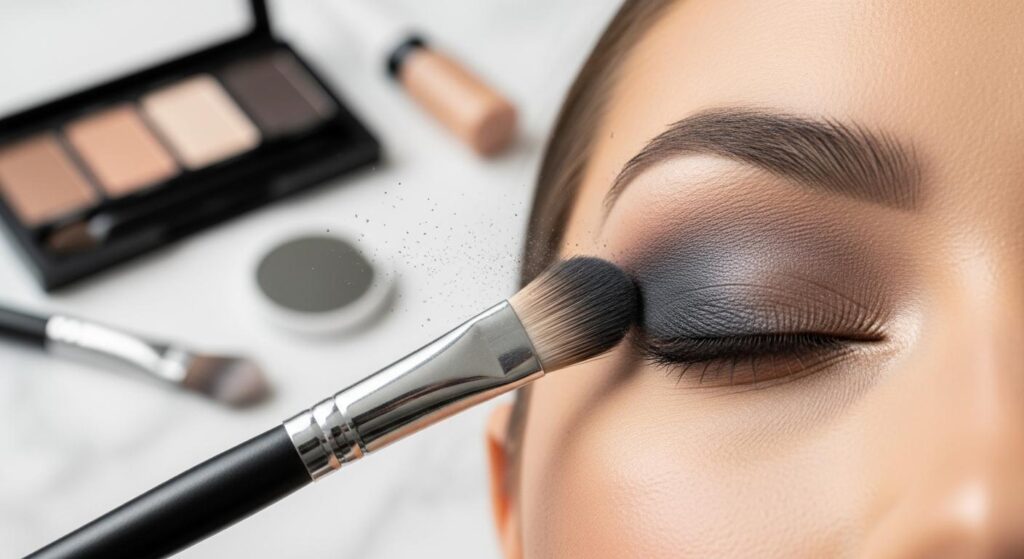
Eye makeup can be tricky. Heavy powder eyeshadow often emphasizes creasing, especially on mature woman lids. Creamy formula eyeshadows blend smoothly and stay flexible.
Placement matters more than color. Keeping shadow slightly above the natural crease creates lift. Eyeliner works best when thinner and closer to the lash line, rather than thick and sharp.
Mascara frames the eye beautifully without excess drama. Defined lashes open the eye, helping balance wrinkles and texture around it.
Brows and Lips: Small Details That Make a Big Difference
Brows quietly shape the entire face. Soft definition fills sparse areas without harsh edges. Overly sharp brows can feel heavy on older skin.
Lips appreciate hydration first. A tinted balm preps beautifully, followed by lipstick in a comfortable cream finish. Lip liner supports shape without outlining too boldly.
Comfort equals confidence. When lips feel good, color looks better. It’s that simple.
Common Makeup Myths About Aging Skin
One persistent myth says more coverage equals younger-looking skin. In reality, heavy layers highlight texture and wrinkles.
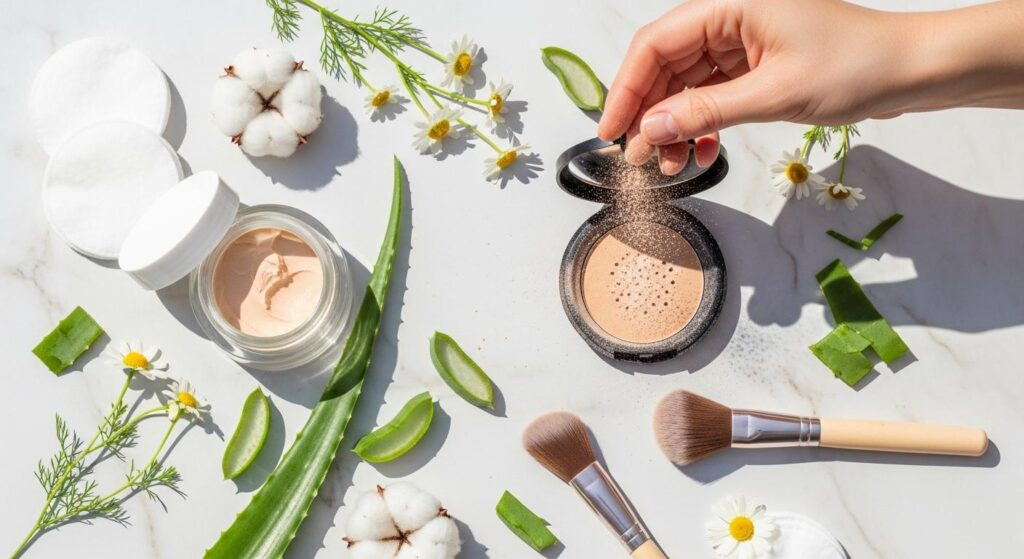
Another belief insists powder must be avoided. Not true. A light dusting of powder in strategic areas can control shine, even on oily skin, without dulling glow.
Matte finishes aren’t villains either. They work when balanced with hydration and used where skin needs structure, not everywhere.
A Long-Term Approach: Makeup as Part of Skin Wellness
Makeup works best when viewed as an extension of skincare. Many modern beauty formulas support hydration, comfort, and barrier health.
Consistency matters more than constantly switching products. Adjust your makeup routine as skin type and needs evolve. A beauty award winner foundation from ten years ago might not serve you now, and that’s okay.
Confidence remains the most visible result. A lifted, fresh look comes from thoughtful choices, light layers, and a little curiosity about what your skin wants today.
Because makeup for mature skin isn’t about chasing youth. It’s about brightening what’s already there, one comfortable, well-placed layer at a time.