


Eye Makeup as Architecture: Shape Comes Before Color
A makeup artist once told me that eye makeup has more in common with architecture than painting. At first, that sounded a bit dramatic. But think about it: eyeshadow doesn’t live on a flat canvas. It sits on bone, folds into a visible crease, curves around cheekbones, and reacts to light in ways that are deeply personal to each face.
In eye makeup, shape comes before color. Eye contouring vs. blending understanding shape, depth, and definition starts with recognizing your eye shape, face shape, and facial features. Round eyes, almond shaped eyes, hooded eyes, deep set eye structures, and upturned eyes all respond differently to shadow and light.
Contouring creates structure. Blending controls how softly that structure reads. When you understand the architecture of the eye, makeup becomes more consistent, more comfortable, and often far more flattering than chasing whatever contouring technique is trending that week.
What Eye Contouring Really Does
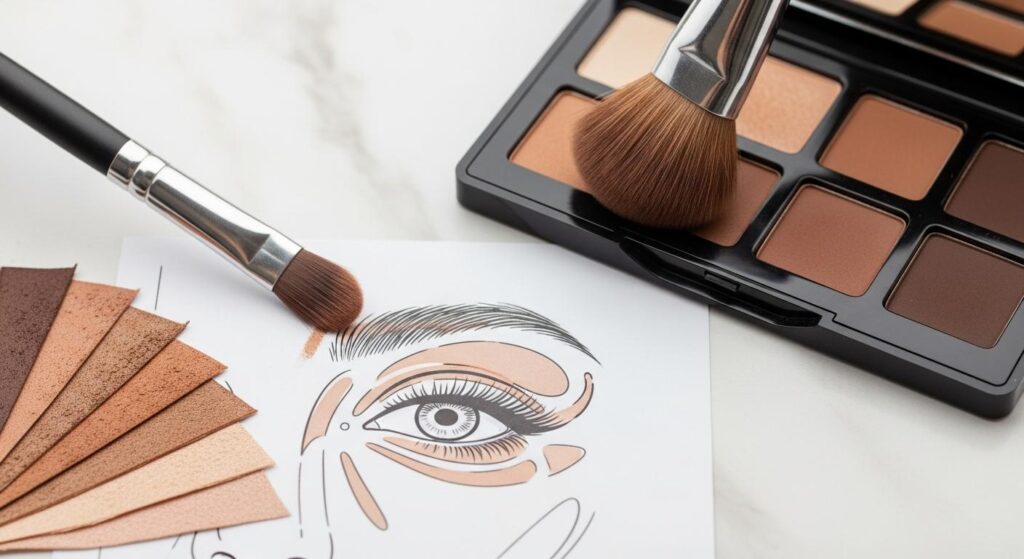
Eye contouring is often misunderstood as simply adding a darker shade. In practice, contour makeup works by mimicking natural depth. A contour shade placed through the crease or outer corner can visually lift downturned eyes, add balance to close set eyes, or give wide set eyes more cohesion.
Most contouring relies on matte or soft satin eyeshadow. These finishes absorb light instead of reflecting it, which helps create believable shadow. A deeper shade, chosen close to your natural skin tone rather than dramatically darker, tends to look more natural across different skin types.
Too much contour product, though, can flatten the eye. Heavy shading that ignores the actual crease or bone structure often makes the lid look smaller, especially on hooded eyes or when a visible crease is limited. Skin hydration plays a role here as well; dry skin can cause contour to grab unevenly and exaggerate texture.
Blending: The Quiet Skill That Makes or Breaks Eye Makeup
Blending rarely gets the spotlight, yet it decides whether eye makeup looks intentional or accidental. A good blend softens transitions without erasing the original shape. That balance is subtle, and it’s easy to overdo.
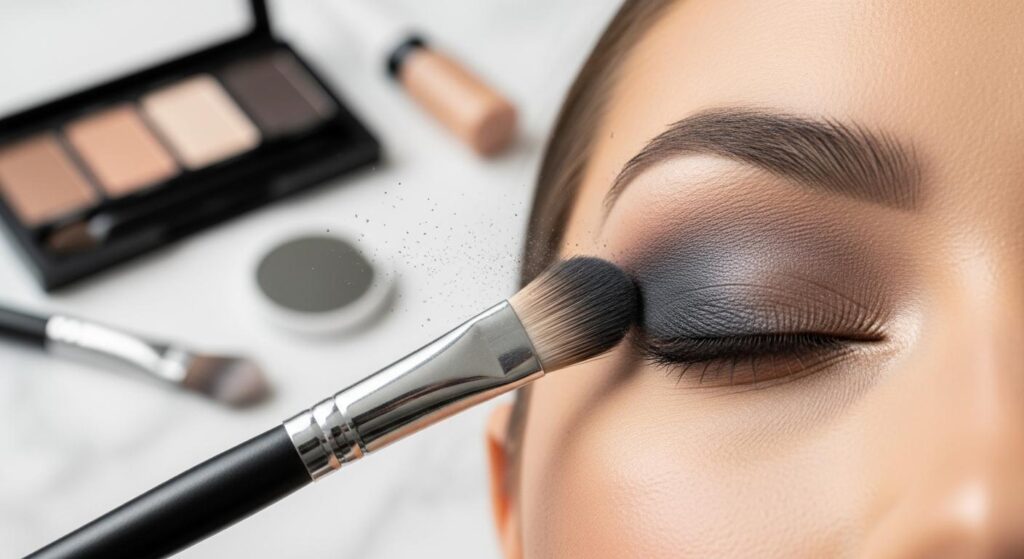
A blending brush with flexible bristles allows shadow to diffuse gradually. Pressure matters. Small, controlled motions usually work better than sweeping back and forth like you’re sanding furniture. When eyelid skin is well cared for hydrated, calm, and supported by a healthy skin barrier blending becomes noticeably easier.
Over-blending can lead to muddiness, where darker shade and lighter shade blur into one ambiguous color. Definition disappears. The eye loses structure. Sometimes the best move is simply to stop a few seconds sooner than feels necessary.
Contouring vs. Blending: Not Opposites, but Partners
Contouring and blending are often framed as opposing skills. In reality, they’re collaborators. Contouring decides where depth belongs. Blending decides how that depth behaves in light.
An unblended contour looks harsh. A fully blended eye without contour can look flat. The sweet spot lives somewhere in between and changes depending on eye shape, lid space, and personal style. Almond shaped eyes might handle stronger contouring, while round eyes or upturned eye shapes often benefit from softer transitions.
Subtle work tends to photograph better and wear more comfortably over time. The eye keeps its shape, the shadow stays readable, and the face looks balanced rather than overworked.
How Skincare Influences Eye Makeup Performance
Many eye makeup frustrations are actually skin issues wearing a clever disguise. Creasing, patchy eyeshadow, and skipping often trace back to dryness rather than product failure.
Hydrated eyelids flex better. A lightweight eye cream can support smooth application without causing slip. When the skin barrier is healthy, contour sticks, cream contour, powder shadow, and even eyeliner apply more evenly.
Consistent care matters more than a single perfect product. Over time, skin that’s supported tends to hold both lighter concealer and darker concealer more evenly, reducing the urge to keep layering makeup to fix problems that start underneath.
Modern Eye Products: Formulas Designed for Skin Comfort
Eyeshadow formulas have changed quietly over the years. Many now include emollients that allow pigments to glide instead of dragging across delicate skin.
Finely milled shadow reduces the need for aggressive blending. Buildable formulas let you layer a contour shade slowly, giving you control over depth without heaviness. This is especially helpful when working with cream contour, contour sticks, or hybrid textures that behave differently depending on skin type.
Comfort-driven makeup often wears longer and feels lighter. For the eye area, that matters. Irritation or tightness can change how makeup settles throughout the day, especially near the eyebrow, highlighter points, or along eyeliner lines.
Common Misunderstandings About Eye Definition
Darker shade does not automatically mean better definition. In some cases, a mid-tone shadow placed precisely does more than piling on depth. Sharp lines aren’t required either; definition often lives in placement, not edges.
Creasing is frequently blamed on makeup when skincare or skin tone mismatch is the real culprit. Eye shape matters more than eye size when choosing a contouring technique. Deep set eyes and hooded eyes need different approaches, even if the face shape is similar.
More product rarely leads to better results. Whether it’s contour makeup, shadow, or highlighter, restraint keeps the eye readable and balanced.
Building a Thoughtful Eye Routine That Lasts
A lasting eye routine starts before eyeshadow ever touches the skin. Prep with care, keeping the eye area flexible and comfortable. Choose contour shades intentionally, considering your natural skin tone, face shape, and how light moves across your features.
Blend with restraint. Let the shape guide you. Adjust based on daily wear needs what works for a long day may differ from what suits a short evening out. Pay attention to how cheeks, eyes, and cheekbones relate, since the face reads as a whole.
Refinement often matters more than correction. When contouring and blending work together, eye makeup feels less like a fix and more like a quiet enhancement one that respects your skin, your shape, and the subtle architecture you were born with.